


6 years ago
Classy Coat
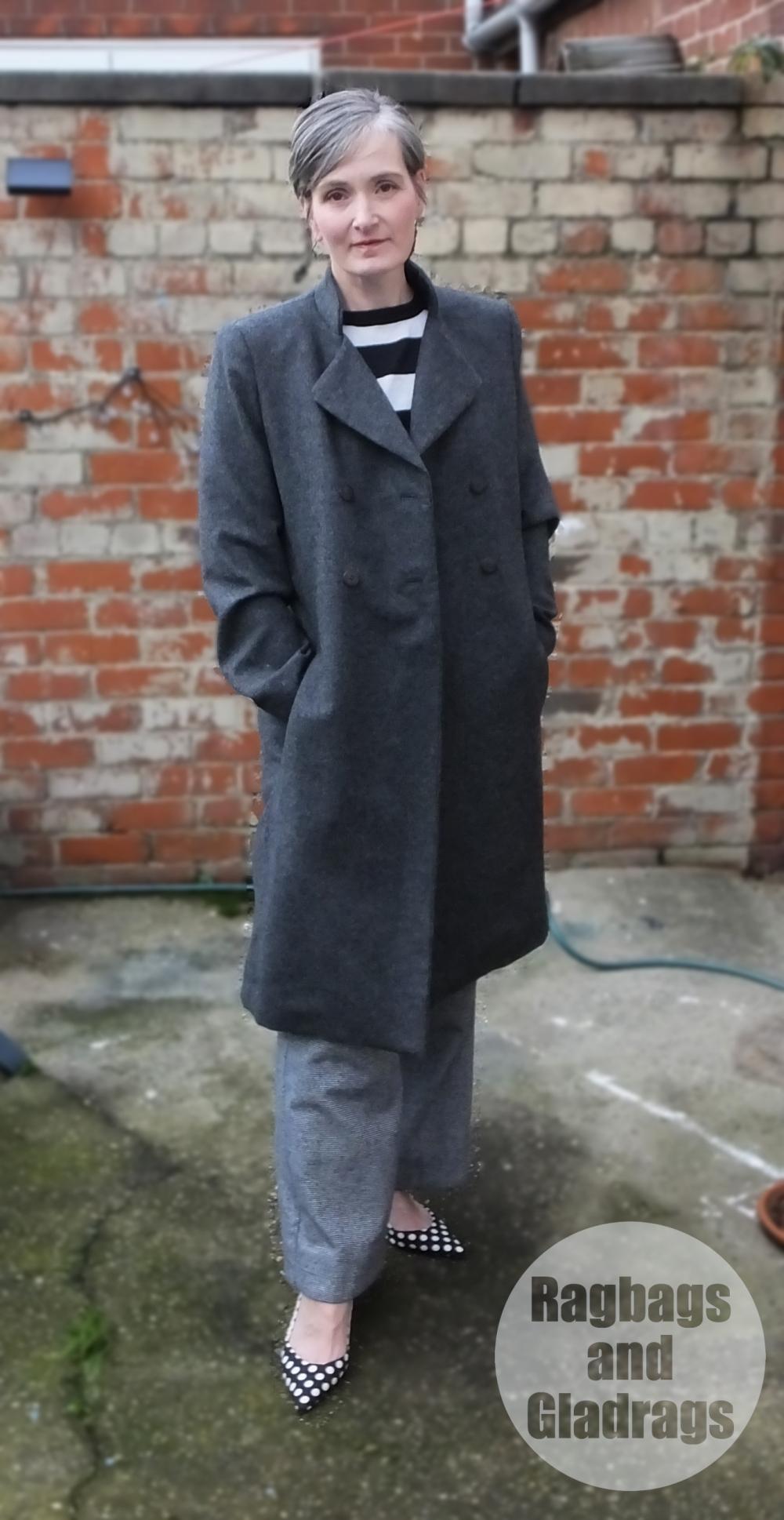
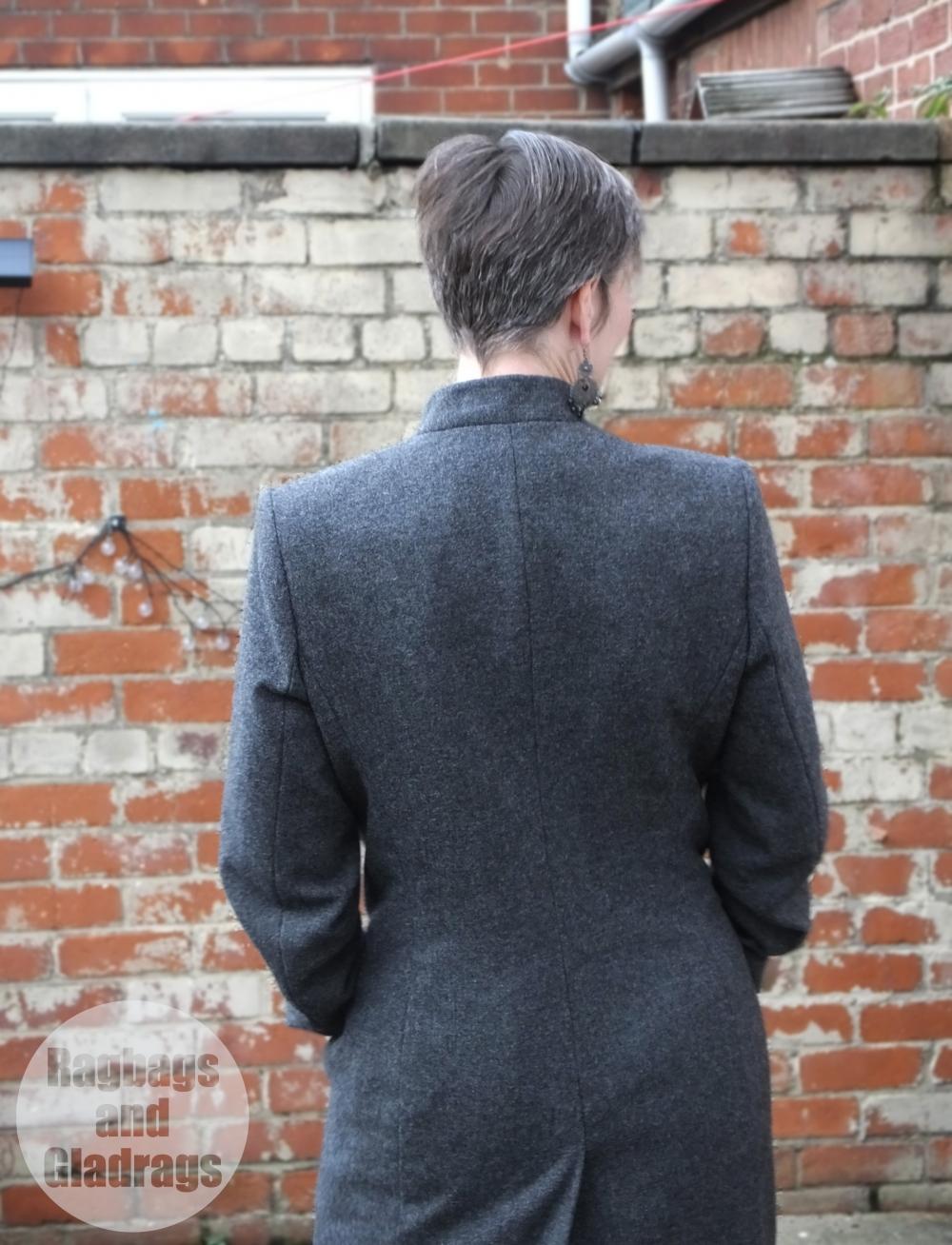
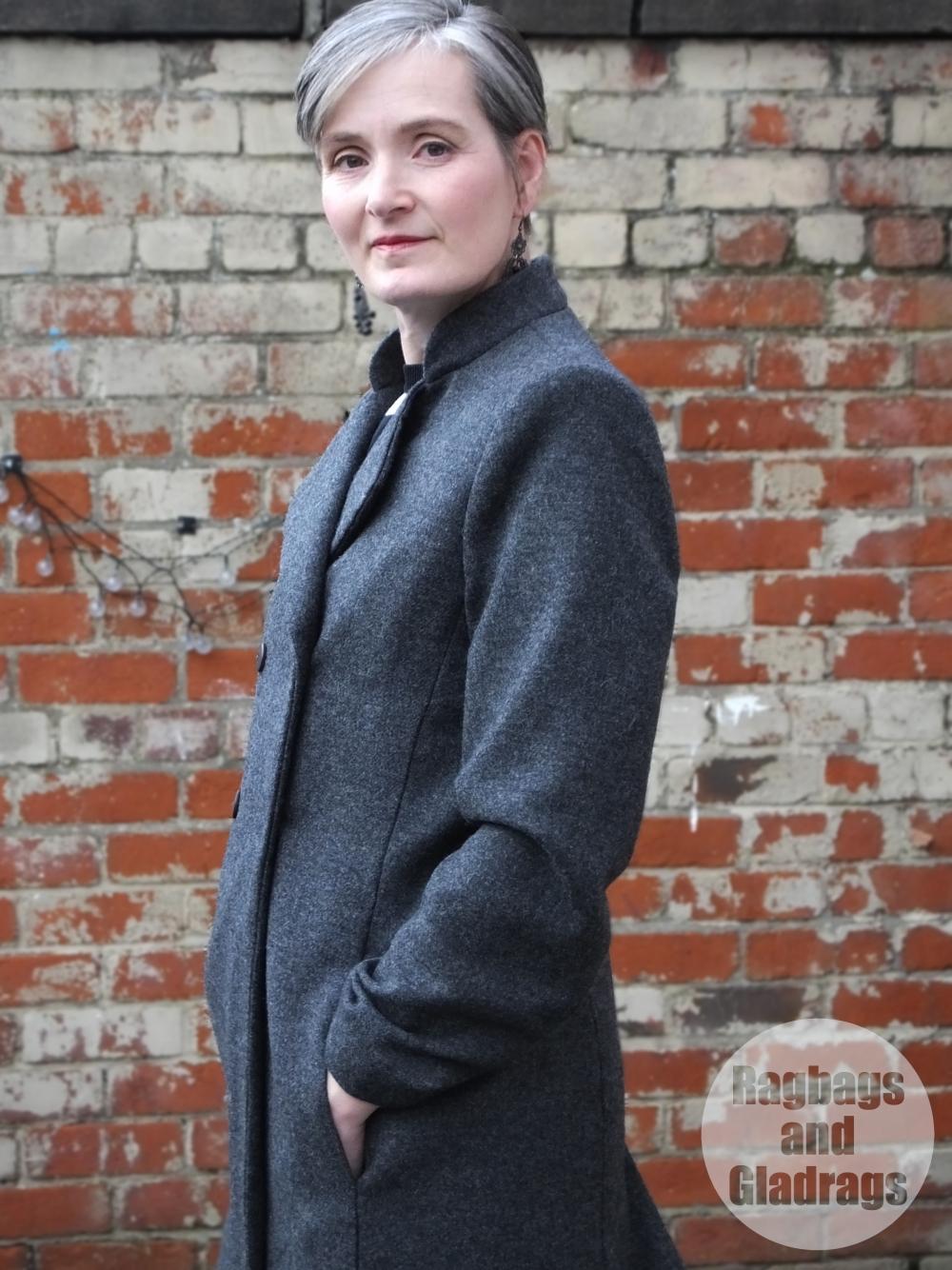
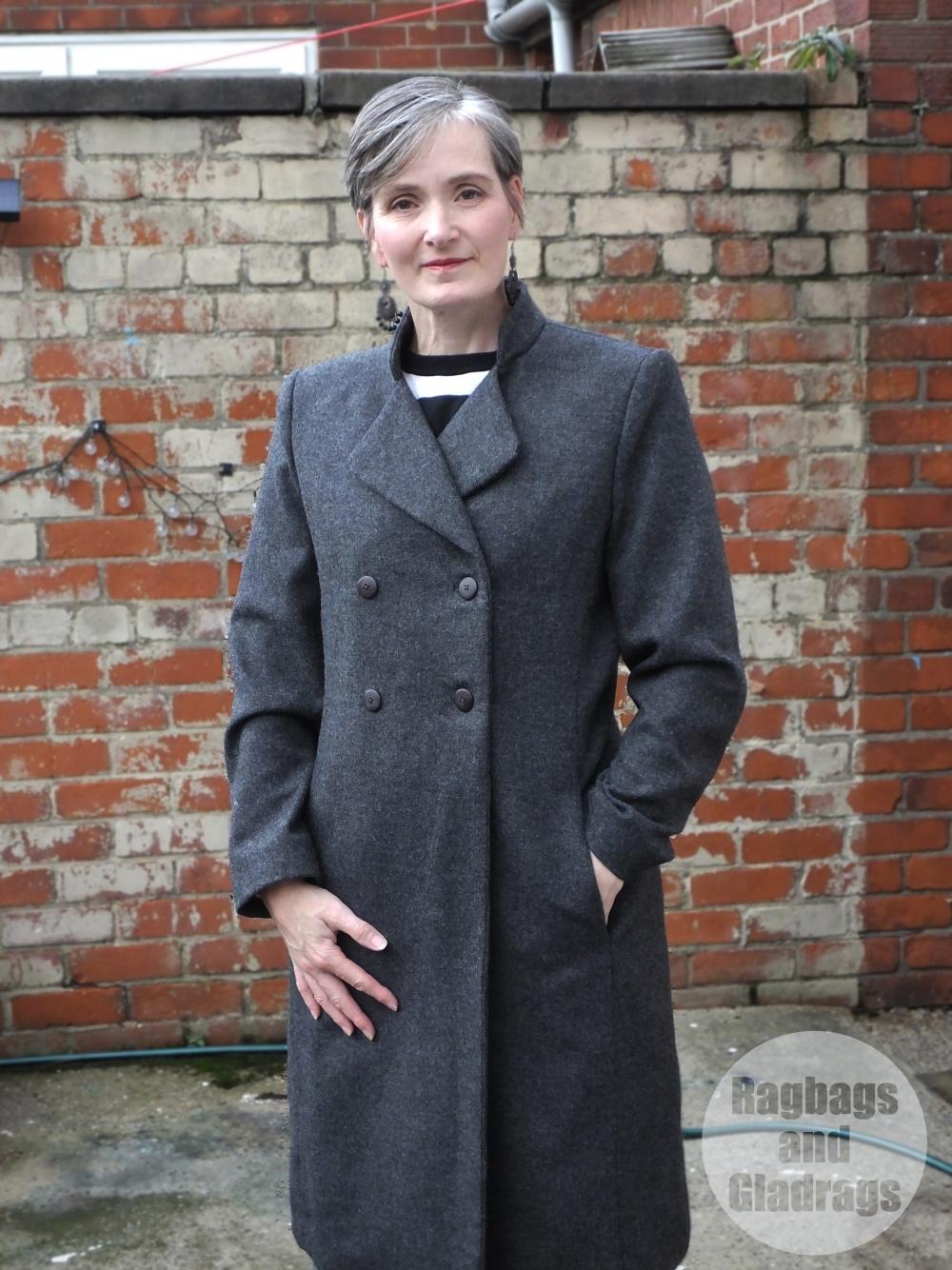
This year has been a year of getting to grips with coat making, but this is the first proper tailored version I have done. Having a well-made wool coat that will last years is something I value and I opted for this high wool content blend to make my next coat from. I wanted it to last and to look great when finished. This is a slow project, one I’ve taken my time over. A bit at a time, slow and steady. I’ve appreciated the hand stitching and the layering of fabrics to give support. I have loved learning some new skills and revisiting those that I’ve not used for years.
I decided I needed to make a coat last year. My well-worn winter coat was just that, well worn and faded. It was a RTW and I’d had it at least 10 years. The cuffs were beginning to go thin and the piping had split in places. Not the sort of thing you want to wear over that gorgeous party dress when going to an event - not that anyone is having those sort of events this year, but as this is made to last I hope it will see some special occasion wear in the future. It will be worn on a daily basis too of course.
I have a stash of Burdastyle magazines and had earmarked a few winter coats as possible candidates, finally settling on the simple lines of this pattern from November 2012 #119. I did decide to add another row of buttons to the design as I know that will suit me better.
After measuring a selection of my coats for shoulder width and back width I decided to cut a size 40. I usually cut a size 38 in Burda, but my measurements put me right between to two. As it’s a coat, I want to be able to layer up underneath is necessary and didn’t want the coat to be too tight if work over a thicker sweater. Actually I think a 38 would have been fine, but you live and learn.
I traced the pattern onto Swedish tracing paper and pin fitted it. I was happy with the general fit and went ahead and cut out my fabric. Once the body was basted together I checked the fit again and added a bit of waist shaping to the centre back and side back seams. Not too much, just enough to give a little shape.
I used traditional interfacing for the whole of the bodice front, chest piece, side panels and backstay, along with the hems. This was basted in by hand, then the lapels were pad-stitched. I also made bound buttonholes.
I really did take my time with this, catch stitching all the seam allowances down and ensuring all the seams were pressed nice and flat. I used a press cloth for any pressing that I needed to do. I don’t have tailors clapper, but steaming the seam and then some finger pressure seamed to work quite well.
In hindsight, I should have trimmed the seam allowances away from the canvas interfacing before stitching the seams, as it did make them a little stiff to flatten in places. The only difficulty I had was stitching in the collar. It was really tricky to match the curves and avoid stretching sections. I think I did an OK job but I would look at the order of construction here if I was to make this again.
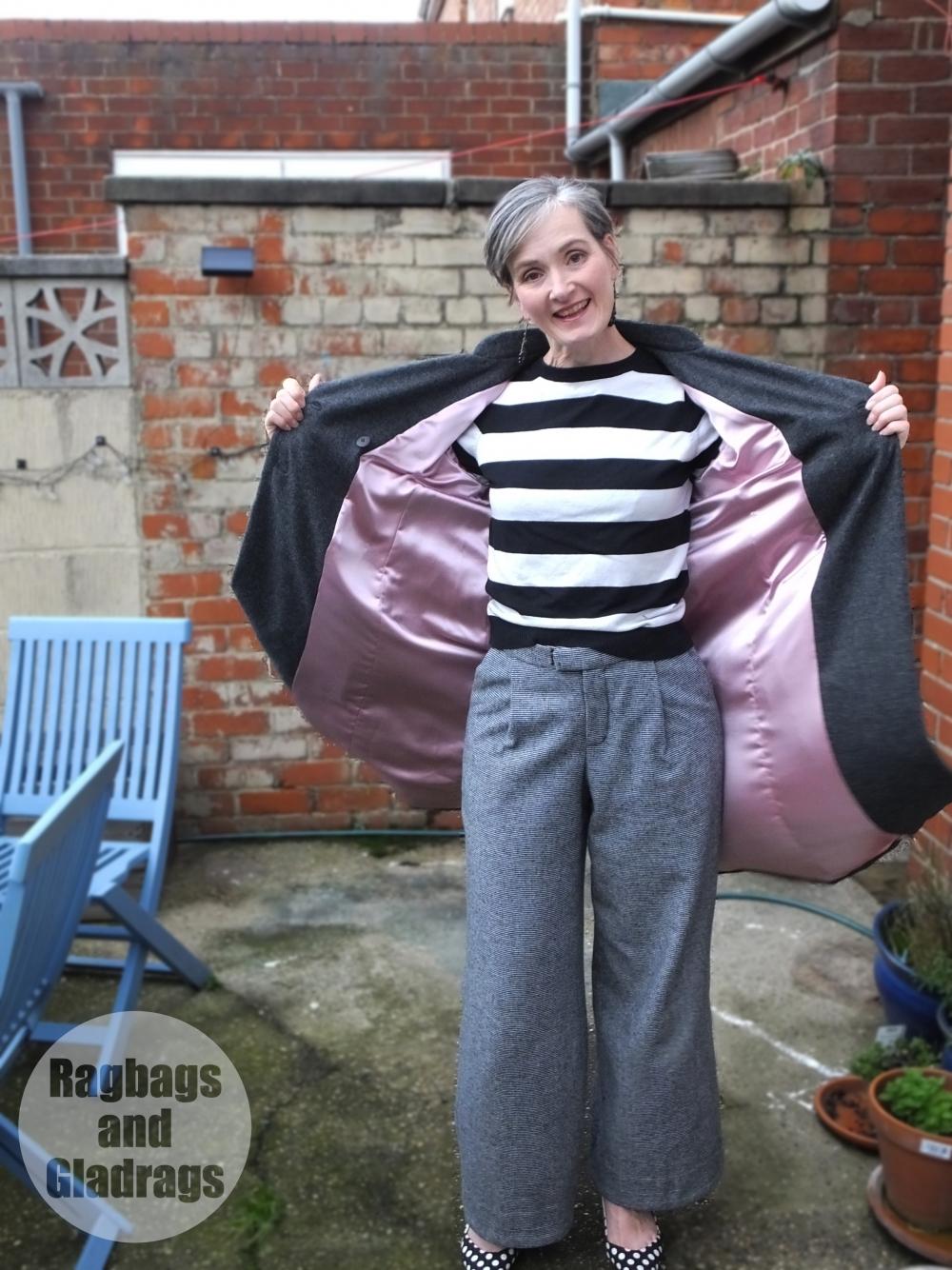
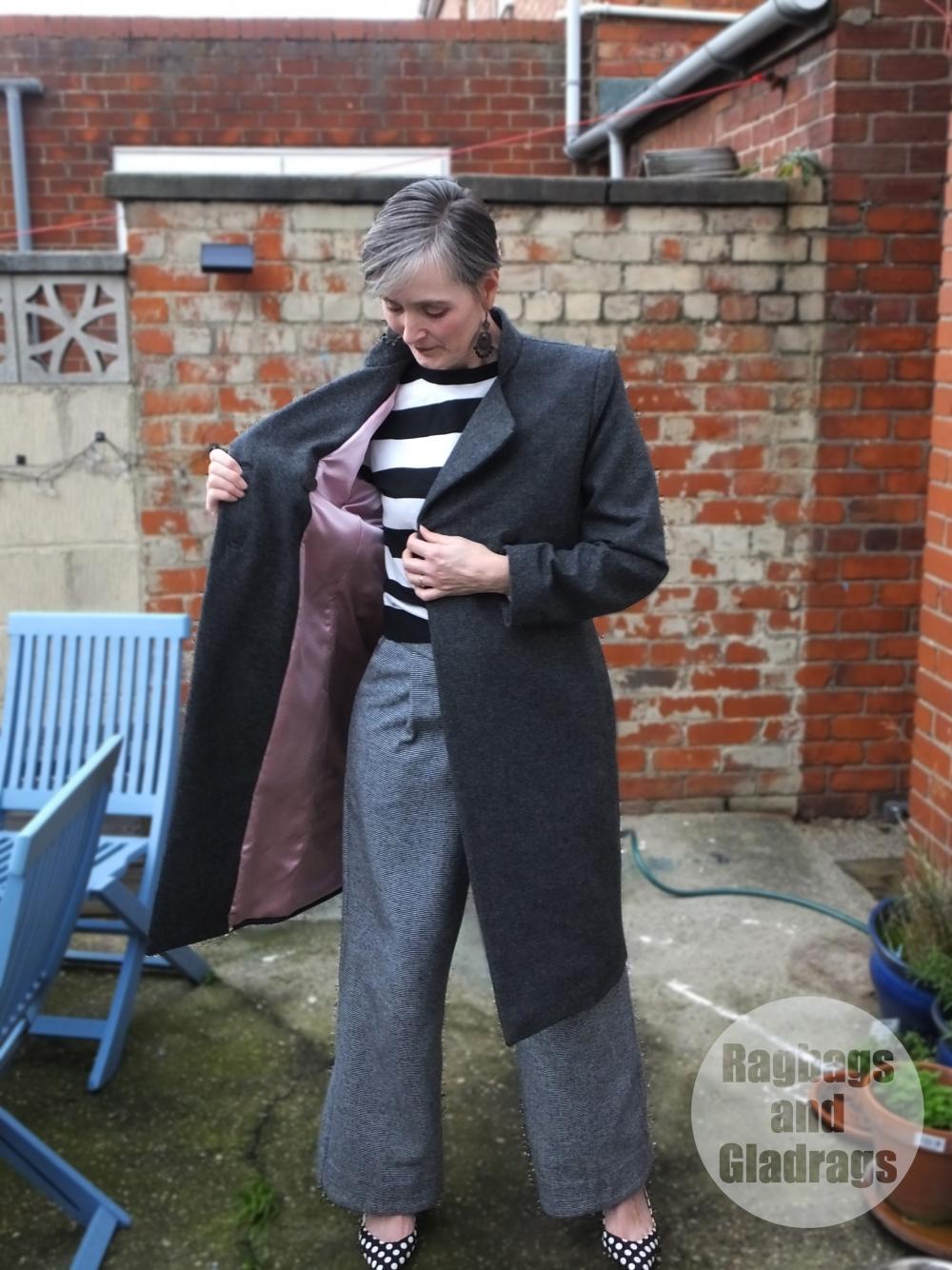
As this was a Burdastyle Magazine pattern the instructions were very brief and I did look elsewhere for further support, using a range of books and blogs to help with construction methods. I am very pleased with the results and I know that this will get a lot of wear. I love the contrast of the pink satin lining. I bought this locally, but it’s very similar to the one below. There are more construction photos over on my blog.
#minervamakers #wintercoat #ladymcelroyfabric #woolcoating #sewingouterwear #tailoringtechniques #ukteacherswhosew #119burda112012 #minervamakes #handstitching #memadeeveryday
This year has been a year of getting to grips with coat making, but this is the first proper tailored version I have done. Having a well-made wool coat that will last years is something I value and I opted for this high wool content blend to make my next coat from. I wanted it to last and to look great when finished. This is a slow project, one I’ve taken my time over. A bit at a time, slow and steady. I’ve appreciated the hand stitching and the layering of fabrics to give support. I have loved learning some new skills and revisiting those that I’ve not used for years.
I decided I needed to make a coat last year. My well-worn winter coat was just that, well worn and faded. It was a RTW and I’d had it at least 10 years. The cuffs were beginning to go thin and the piping had split in places. Not the sort of thing you want to wear over that gorgeous party dress when going to an event - not that anyone is having those sort of events this year, but as this is made to last I hope it will see some special occasion wear in the future. It will be worn on a daily basis too of course.
I have a stash of Burdastyle magazines and had earmarked a few winter coats as possible candidates, finally settling on the simple lines of this pattern from November 2012 #119. I did decide to add another row of buttons to the design as I know that will suit me better.
After measuring a selection of my coats for shoulder width and back width I decided to cut a size 40. I usually cut a size 38 in Burda, but my measurements put me right between to two. As it’s a coat, I want to be able to layer up underneath is necessary and didn’t want the coat to be too tight if work over a thicker sweater. Actually I think a 38 would have been fine, but you live and learn.
I traced the pattern onto Swedish tracing paper and pin fitted it. I was happy with the general fit and went ahead and cut out my fabric. Once the body was basted together I checked the fit again and added a bit of waist shaping to the centre back and side back seams. Not too much, just enough to give a little shape.
I used traditional interfacing for the whole of the bodice front, chest piece, side panels and backstay, along with the hems. This was basted in by hand, then the lapels were pad-stitched. I also made bound buttonholes.
I really did take my time with this, catch stitching all the seam allowances down and ensuring all the seams were pressed nice and flat. I used a press cloth for any pressing that I needed to do. I don’t have tailors clapper, but steaming the seam and then some finger pressure seamed to work quite well.
In hindsight, I should have trimmed the seam allowances away from the canvas interfacing before stitching the seams, as it did make them a little stiff to flatten in places. The only difficulty I had was stitching in the collar. It was really tricky to match the curves and avoid stretching sections. I think I did an OK job but I would look at the order of construction here if I was to make this again.
As this was a Burdastyle Magazine pattern the instructions were very brief and I did look elsewhere for further support, using a range of books and blogs to help with construction methods. I am very pleased with the results and I know that this will get a lot of wear. I love the contrast of the pink satin lining. I bought this locally, but it’s very similar to the one below. There are more construction photos over on my blog.
#minervamakers #wintercoat #ladymcelroyfabric #woolcoating #sewingouterwear #tailoringtechniques #ukteacherswhosew #119burda112012 #minervamakes #handstitching #memadeeveryday
Add all tagged items to your basket