


6 years ago
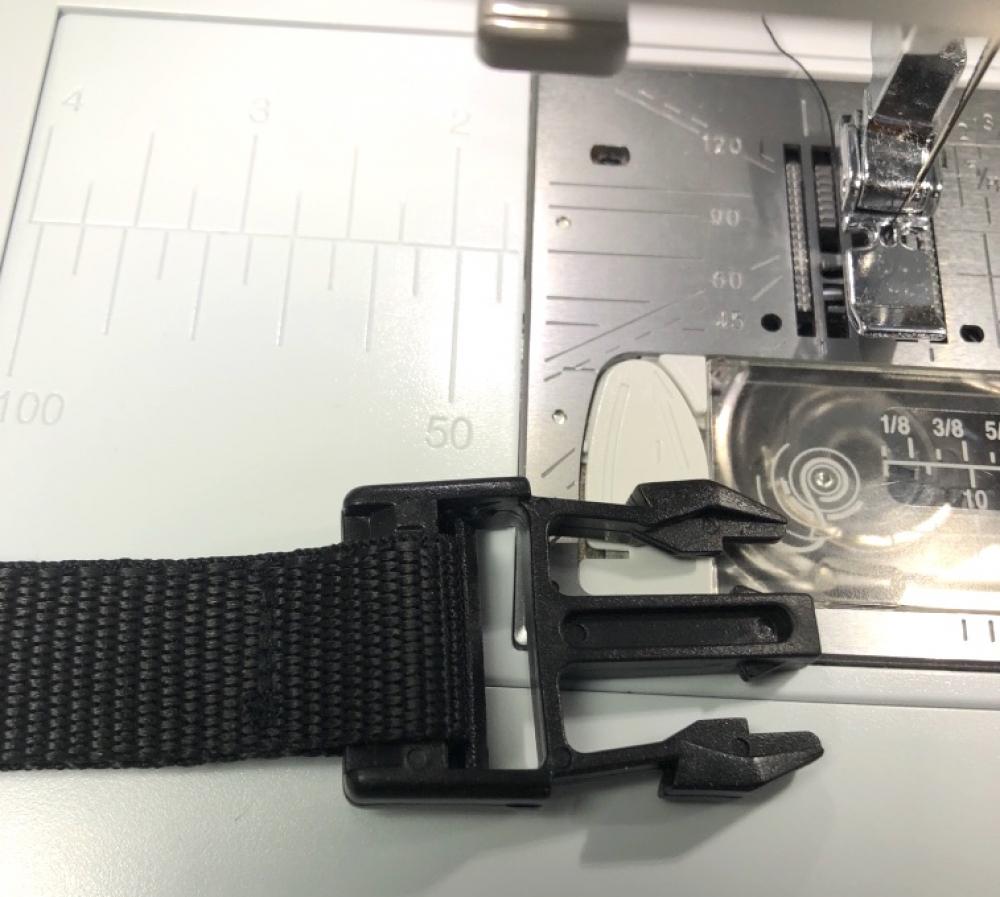
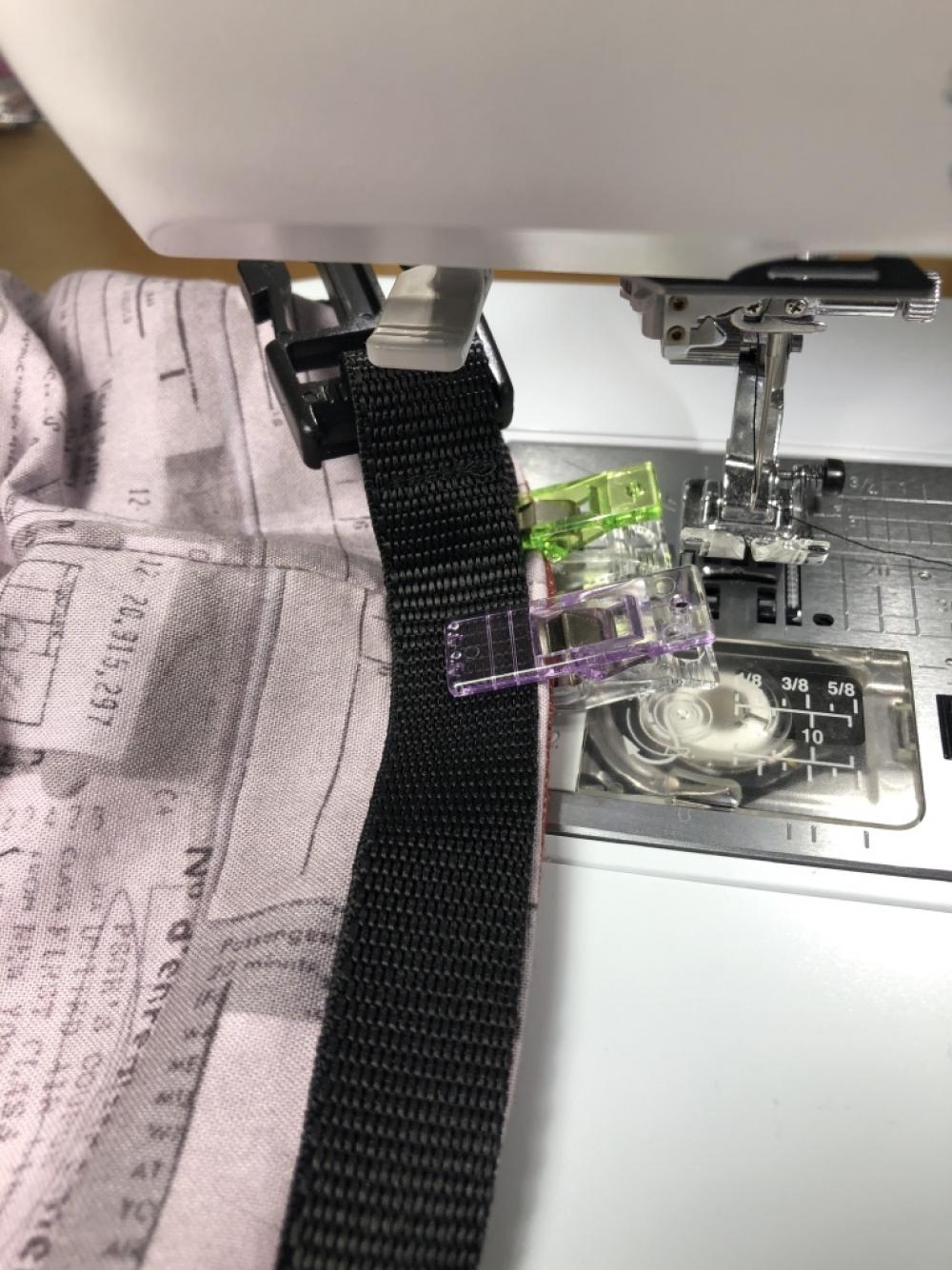
I shared in my last post a photo of large fabric clips that were contained in a fabric bowl that I made. I have used smaller fabric clips in the past but these larger fabric clips were new to me. I LOVE using the larger clip size much more than the smaller size. They are much quicker for me to grab and clip onto fabric.
Summary:
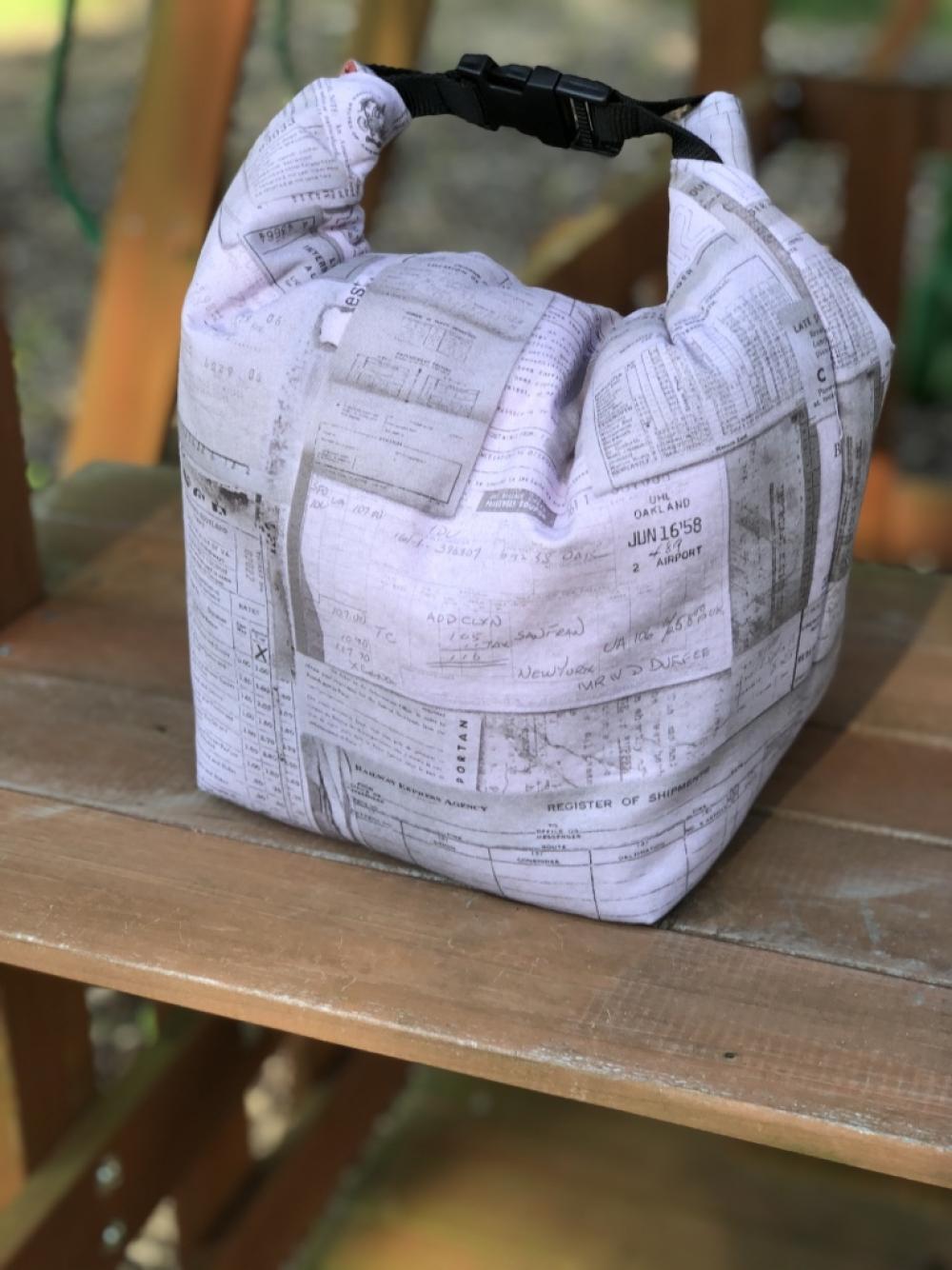
I wanted to test this sewing pattern for a lunch bag application. I also wanted to test using wool batting as a substitute for Insul-Bright insulation (for a natural alternative). I wanted to note that Insul-Bright, although a synthetic composite material is thinner and has a really good temperature insulation range.
Functionally, I really like this pattern and the design. Not having a zipper in this lunch bag means that it should last longer for myself and my kids.
Testing the bag:
To answer my wool batting replacement question, I decided to do an experiment. I was inspired by Dr Annie’s blog with her own commercial lunch bag testing.
I set up my testing in a similar format. I only ran this test once so this is a rough estimate of the internal temperature performance of the bag. I’m testing to see how long the lunch bag (with a freezer pack) keeps milk below 40 degrees Fehrenheit.
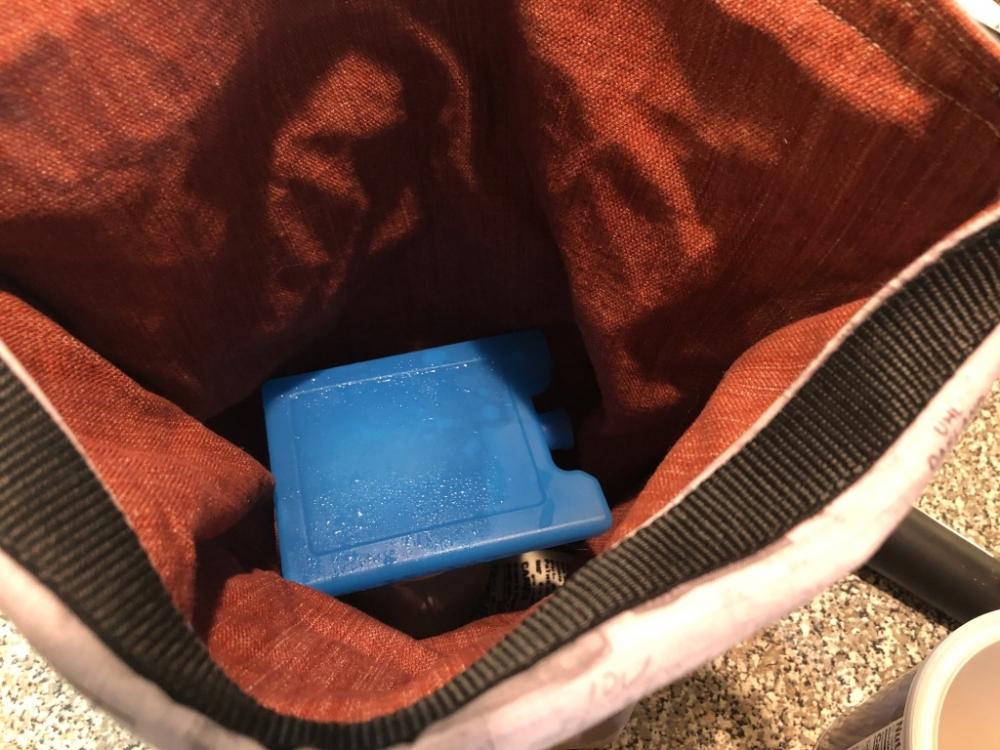
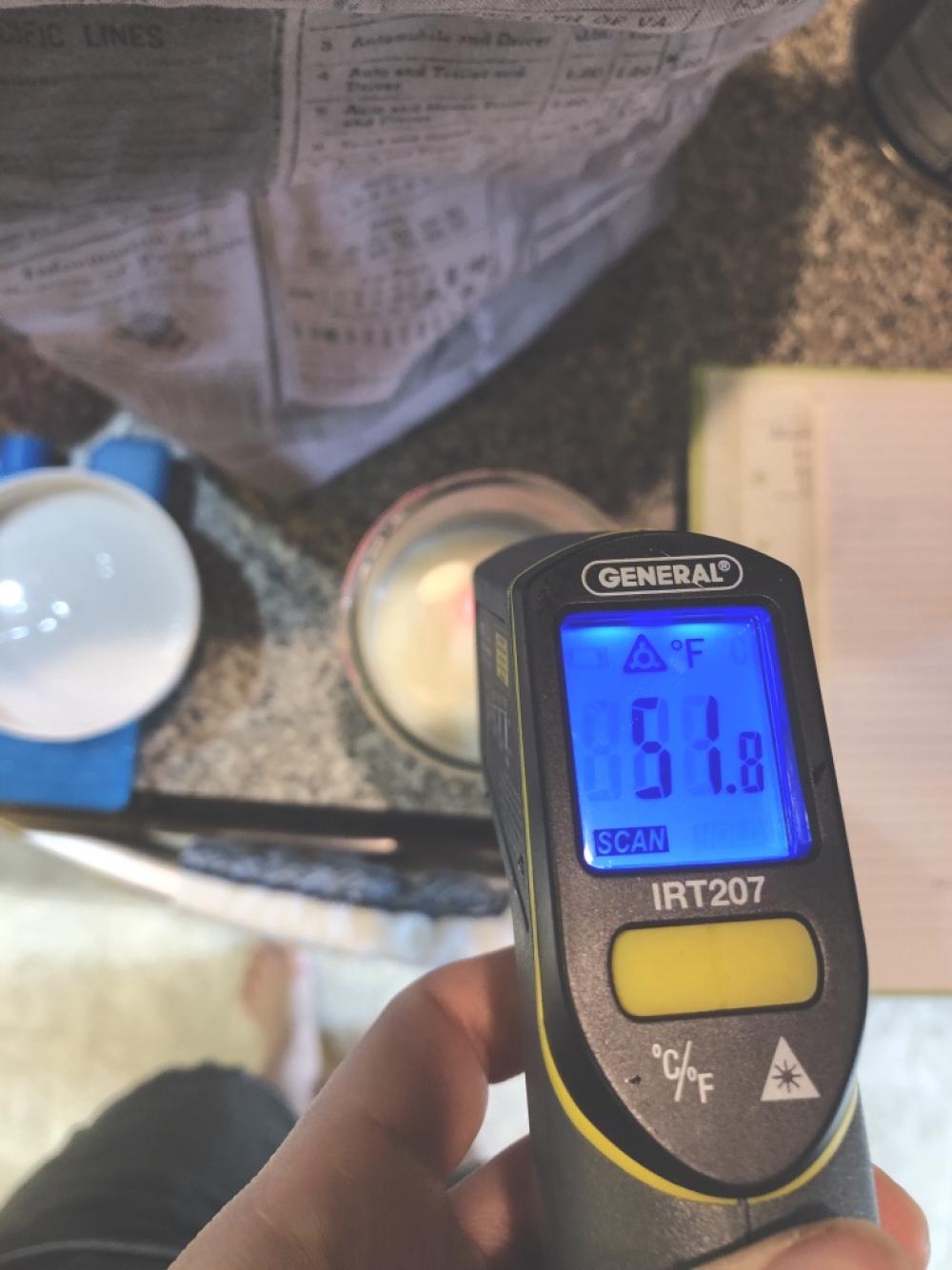
I used a glass Mason/Ball jar with a plastic lid and filled it with 1 cup of milk. I layed a blue freezer pack on top of the jar (inside the lunchbag) during the test. I used an infrared thermometer to take the temperature of the milk.
I took the temperature of the milk at the start of the test and again every two hours (stopping at 6 hours). 40 degrees F is a good reference to keep food at or below for food safety.
I wanted to note that for this test, the lunchbag was laying on the counter in our kitchen. For my normal lunchbag usage, I would be bringing the bag outside of our home (in environments that are typically hotter right now). I would expect the actual temperatures for my usage to be higher than observed in this test.
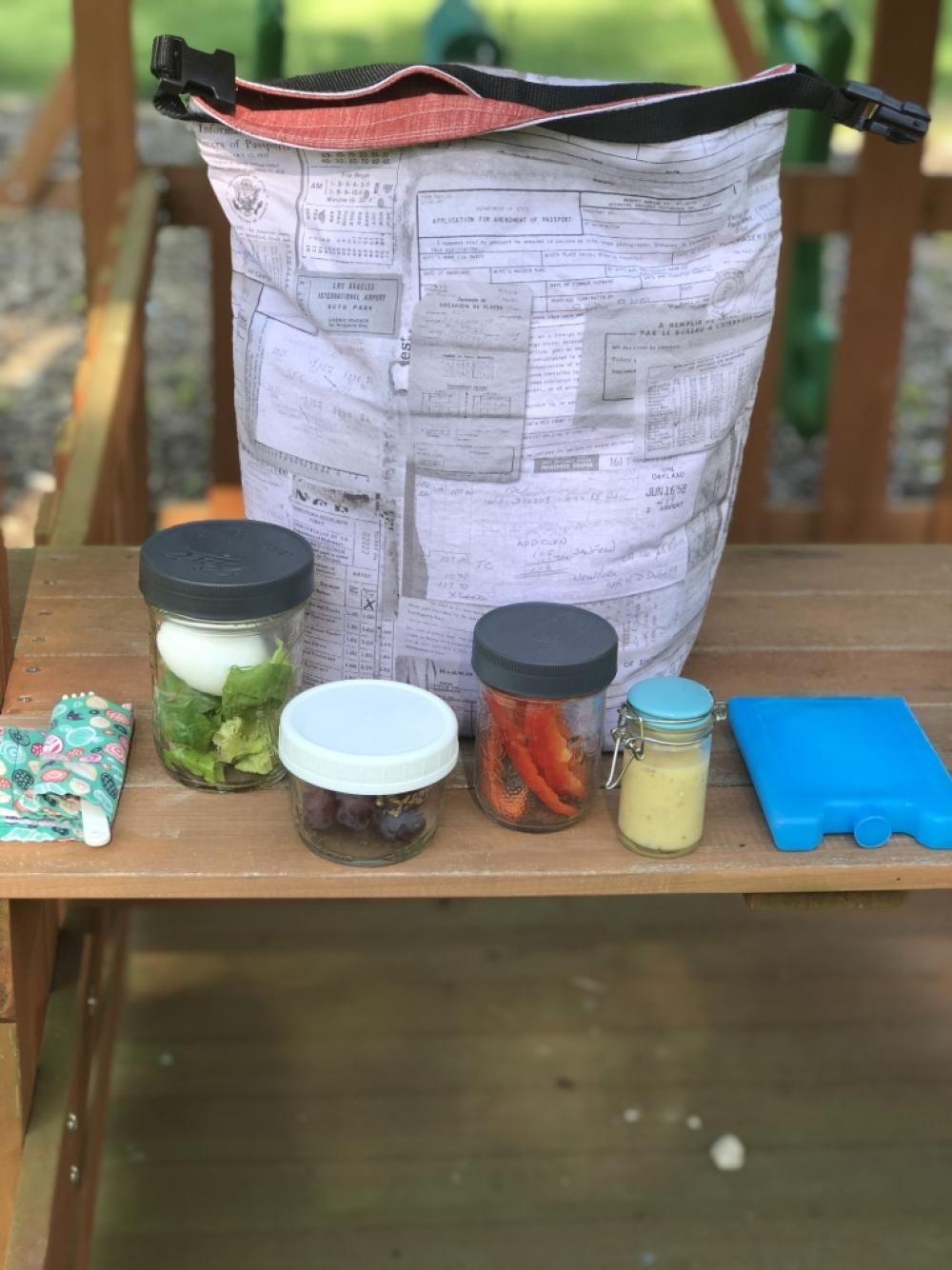
I noticed that the rolltop design has variation with how many times you could roll the top before snapping the buckle clips together. If there are taller items inside the lunch bag, you’ll have less room to roll the top of the bag for closure. If the items in the bag are shorter, you could roll the bag more times before snapping the clips (for a better seal and more layers of insulation).
Final thoughts:
I really like this design. I would like to try making this bag again for my kids but try Insul-Bright instead of wool batting. I love that wool batting is an option and I enjoyed trying it for this project. If you’re one that brings your lunchbox to work and have a short commute, the materials used for this bag will work just fine. If you have a longer period of time that your lunchbag will not be refrigerated (before being eaten), then you may want to try alternate insulation materials as well.
Thank you so much for reading! Let me know if you’ve made a lunch bag of your own and if you’ve had any designs or materials that you’ve enjoyed pairing together.
Rachel (@oakbluedesigns)
www.oakbluedesigns.com
#minervamakes #minervamakers #isew #memade #memades #sewing #sewist #sewists #sewinginspo #sewinginspiration #sew #sewcialist #sewingproject #sewingprojects #sewingideas #sewingprojectideas #sewingpatterninspo #lovesewing #ilovesewing #sewsewsew #sewersgonnasew #makersgonnamake #sewaholic #sewaholics #shareyoursewing #sewinglove #bagmaking
Summary:
I wanted to test this sewing pattern for a lunch bag application. I also wanted to test using wool batting as a substitute for Insul-Bright insulation (for a natural alternative). I wanted to note that Insul-Bright, although a synthetic composite material is thinner and has a really good temperature insulation range.
Functionally, I really like this pattern and the design. Not having a zipper in this lunch bag means that it should last longer for myself and my kids.
Testing the bag:
To answer my wool batting replacement question, I decided to do an experiment. I was inspired by Dr Annie’s blog with her own commercial lunch bag testing.
I set up my testing in a similar format. I only ran this test once so this is a rough estimate of the internal temperature performance of the bag. I’m testing to see how long the lunch bag (with a freezer pack) keeps milk below 40 degrees Fehrenheit.
I used a glass Mason/Ball jar with a plastic lid and filled it with 1 cup of milk. I layed a blue freezer pack on top of the jar (inside the lunchbag) during the test. I used an infrared thermometer to take the temperature of the milk.
I took the temperature of the milk at the start of the test and again every two hours (stopping at 6 hours). 40 degrees F is a good reference to keep food at or below for food safety.
I wanted to note that for this test, the lunchbag was laying on the counter in our kitchen. For my normal lunchbag usage, I would be bringing the bag outside of our home (in environments that are typically hotter right now). I would expect the actual temperatures for my usage to be higher than observed in this test.
I noticed that the rolltop design has variation with how many times you could roll the top before snapping the buckle clips together. If there are taller items inside the lunch bag, you’ll have less room to roll the top of the bag for closure. If the items in the bag are shorter, you could roll the bag more times before snapping the clips (for a better seal and more layers of insulation).
Final thoughts:
I really like this design. I would like to try making this bag again for my kids but try Insul-Bright instead of wool batting. I love that wool batting is an option and I enjoyed trying it for this project. If you’re one that brings your lunchbox to work and have a short commute, the materials used for this bag will work just fine. If you have a longer period of time that your lunchbag will not be refrigerated (before being eaten), then you may want to try alternate insulation materials as well.
Thank you so much for reading! Let me know if you’ve made a lunch bag of your own and if you’ve had any designs or materials that you’ve enjoyed pairing together.
Rachel (@oakbluedesigns)
www.oakbluedesigns.com
#minervamakes #minervamakers #isew #memade #memades #sewing #sewist #sewists #sewinginspo #sewinginspiration #sew #sewcialist #sewingproject #sewingprojects #sewingideas #sewingprojectideas #sewingpatterninspo #lovesewing #ilovesewing #sewsewsew #sewersgonnasew #makersgonnamake #sewaholic #sewaholics #shareyoursewing #sewinglove #bagmaking
Add all tagged items to your basket