



7 years ago
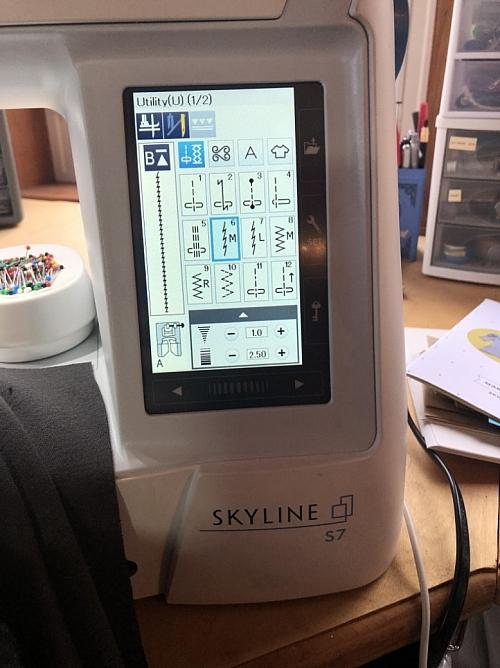
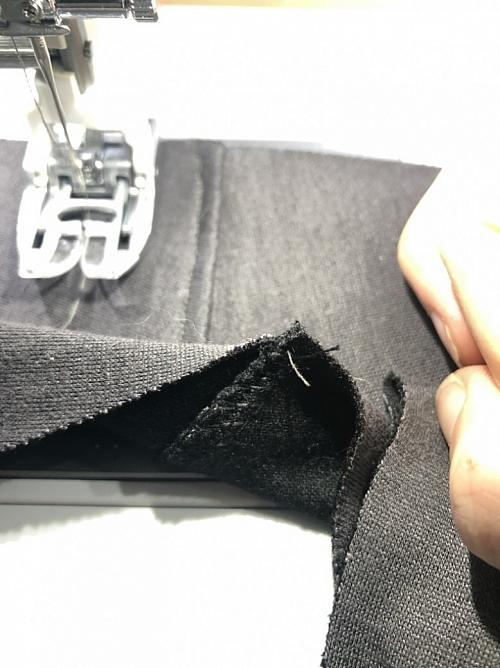
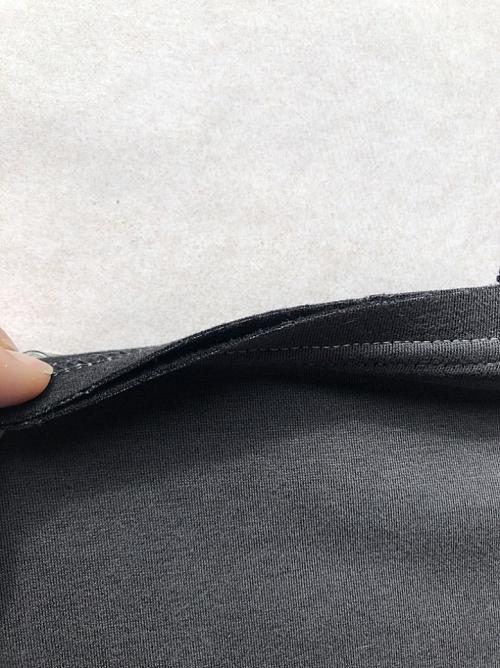
The result help the serged seam lay flat. The bobbin thread is invisible on the black side of the fabric and the grey thread looks like a standard seam.
Hems:
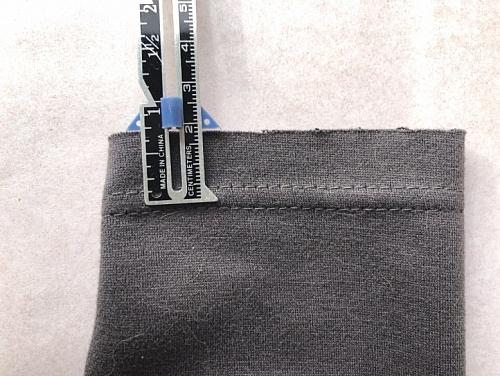
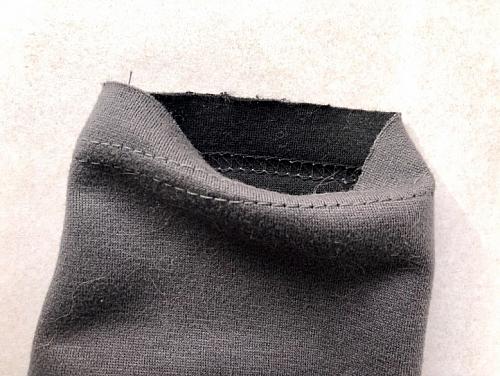
I wanted to think about a different way to approach the hems of the garment. I knew I wouldn’t like the bulkier look of traditional hems worn with the “wrong side out.” I decided to sew faux hems. I left the edges of the bottom and the sleeve hems raw and used the coverstitch machine to sew around the edges, at a 0.75” (2 cm) edge. The result looks like a traditional hem but it is a decorative and reversible option.
Neckband:
I decided to self-draft the neckband. I didn’t use the neckband pattern but instead measured the neckline and cut out a neckband at a length 10% smaller. I really appreciated the construction details included in the pattern (the neckband percentage details are included in the pattern instructions).
I had a different neckband construction in mind. The pattern calls for a folded, traditional T-shirt style neckband. I had previously seen a commercial neckband construction that I’ve been wanting to recreate (Yes, I’m one of those weird gals that studies garments in department stores to research construction details). The neckband edges in the commercial garment were raw, giving a textured edge finish. I thought this was a fun look and I decided to utilize this technique for this project.
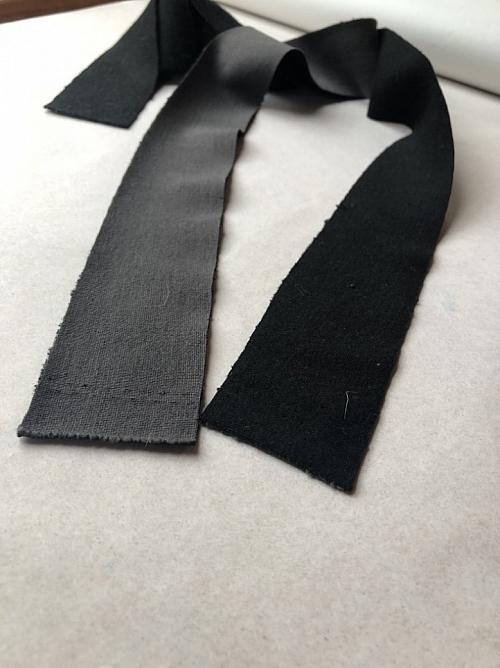
To experiment recreating this look, I cut out two pieces of fabric (to practice this idea with fabric scraps).
I sewed each of the two neckband pieces onto the “neckline scrap”, one at a time. I layed the grey fabric neckband edge against the top grey fabric edge. I sewed this seam with the standard sewing machine with a 0.25” (0.6 cm) seam allowance. I then repeated these steps for the other side of the fabric (and then folded both edges up together).
To be continued…..
#minervamakes #minervamakers #isew #memade #memades #sewing #sewist #sewists #sewinginspo #sewinginspiration #sew #sewcialist #sewingproject #sewingprojects #sewingideas #sewingprojectideas #sewingpatterninspo #lovesewing #ilovesewing #sewsewsew #sewersgonnasew #makersgonnamake #sewaholic #sewaholics #shareyoursewing #sewinglove #handmadewardrobe #handemadeclothes #isewmyclothes #diyclothes #dressmaking #fabricinspo #seamstress #memadeeveryday #imakemyclothes #imakemyownclothes #fashion #fashioninspo #memadewardrobe #memadefashion #diyfashion #diywardrobe #fashionsewing #sewingtops #ladymcelroyfabrics #sewingwithponteroma #ponteromasewingprojects #reversibleponteroma #indiepatterns #indiesewingpatterns #tillyandthebuttonspatterns #tillyandthebuttonsagnestop #agnestop #patternhack #patternhacking
Hems:
I wanted to think about a different way to approach the hems of the garment. I knew I wouldn’t like the bulkier look of traditional hems worn with the “wrong side out.” I decided to sew faux hems. I left the edges of the bottom and the sleeve hems raw and used the coverstitch machine to sew around the edges, at a 0.75” (2 cm) edge. The result looks like a traditional hem but it is a decorative and reversible option.
Neckband:
I decided to self-draft the neckband. I didn’t use the neckband pattern but instead measured the neckline and cut out a neckband at a length 10% smaller. I really appreciated the construction details included in the pattern (the neckband percentage details are included in the pattern instructions).
I had a different neckband construction in mind. The pattern calls for a folded, traditional T-shirt style neckband. I had previously seen a commercial neckband construction that I’ve been wanting to recreate (Yes, I’m one of those weird gals that studies garments in department stores to research construction details). The neckband edges in the commercial garment were raw, giving a textured edge finish. I thought this was a fun look and I decided to utilize this technique for this project.
To experiment recreating this look, I cut out two pieces of fabric (to practice this idea with fabric scraps).
I sewed each of the two neckband pieces onto the “neckline scrap”, one at a time. I layed the grey fabric neckband edge against the top grey fabric edge. I sewed this seam with the standard sewing machine with a 0.25” (0.6 cm) seam allowance. I then repeated these steps for the other side of the fabric (and then folded both edges up together).
To be continued…..
#minervamakes #minervamakers #isew #memade #memades #sewing #sewist #sewists #sewinginspo #sewinginspiration #sew #sewcialist #sewingproject #sewingprojects #sewingideas #sewingprojectideas #sewingpatterninspo #lovesewing #ilovesewing #sewsewsew #sewersgonnasew #makersgonnamake #sewaholic #sewaholics #shareyoursewing #sewinglove #handmadewardrobe #handemadeclothes #isewmyclothes #diyclothes #dressmaking #fabricinspo #seamstress #memadeeveryday #imakemyclothes #imakemyownclothes #fashion #fashioninspo #memadewardrobe #memadefashion #diyfashion #diywardrobe #fashionsewing #sewingtops #ladymcelroyfabrics #sewingwithponteroma #ponteromasewingprojects #reversibleponteroma #indiepatterns #indiesewingpatterns #tillyandthebuttonspatterns #tillyandthebuttonsagnestop #agnestop #patternhack #patternhacking
Add all tagged items to your basket