



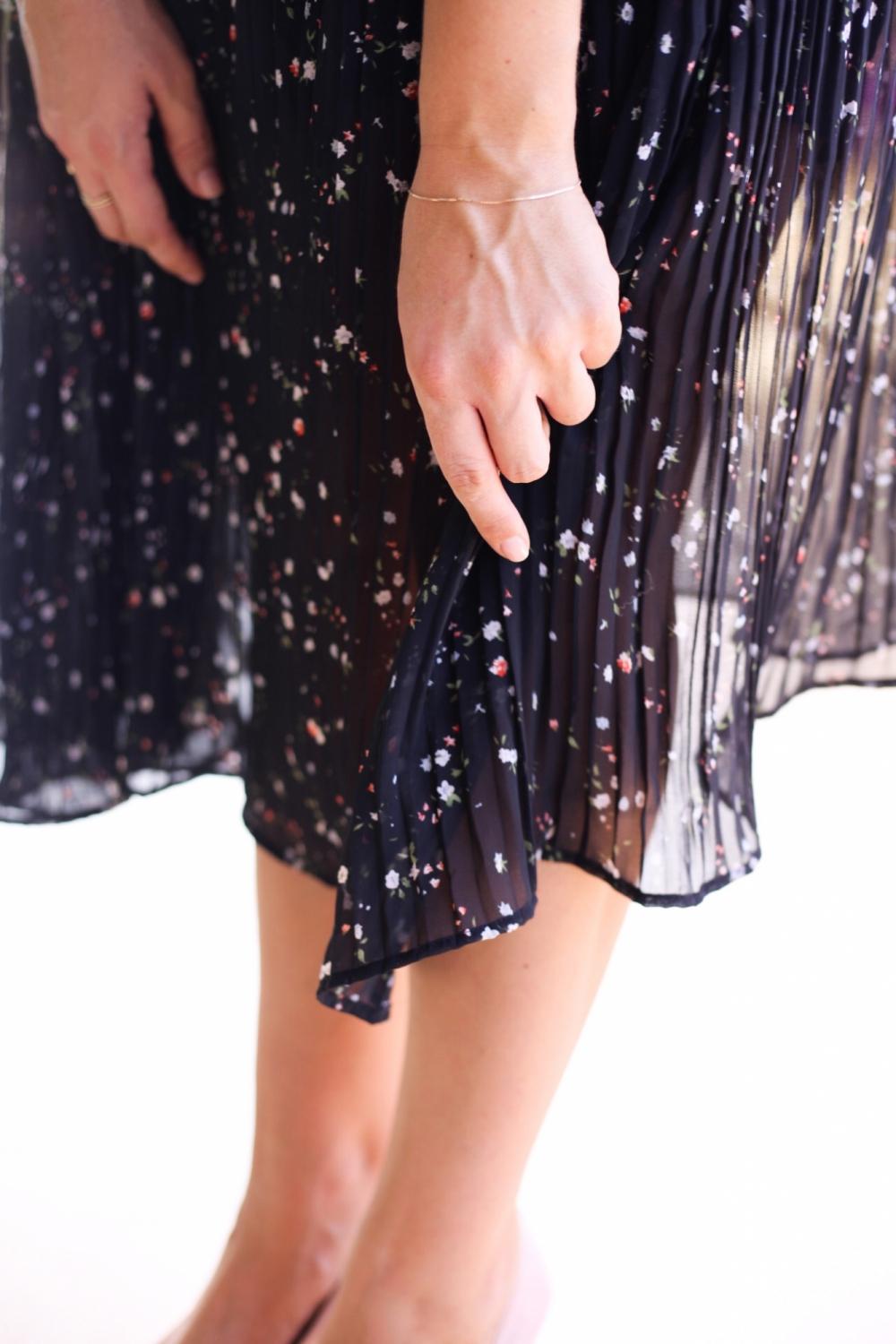
PLISSE
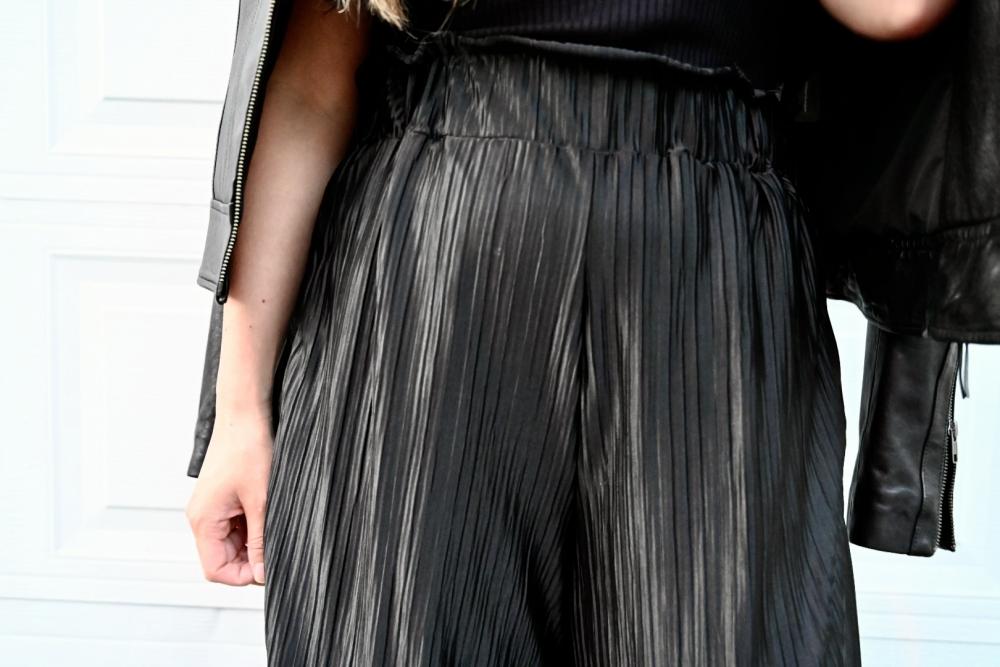
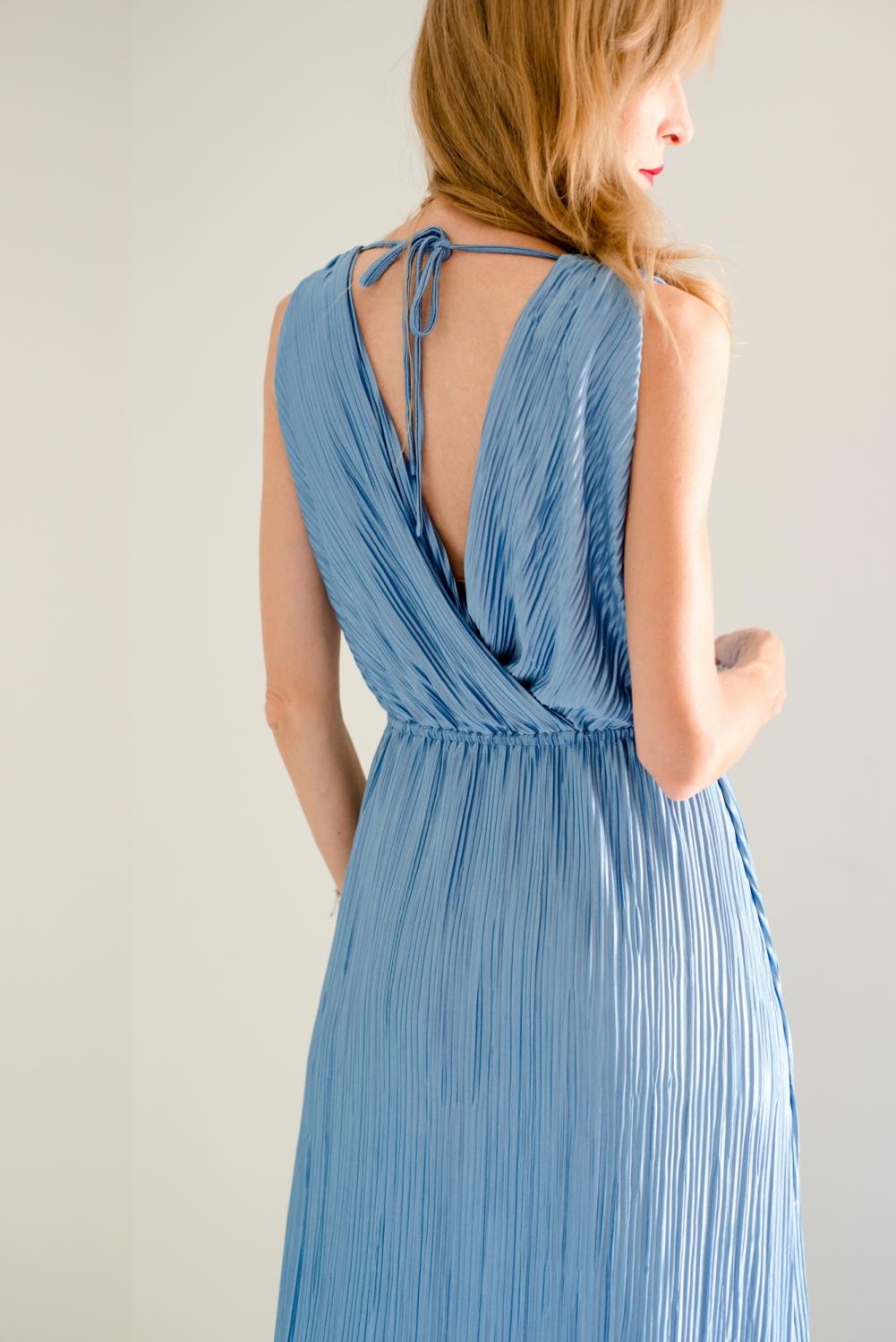
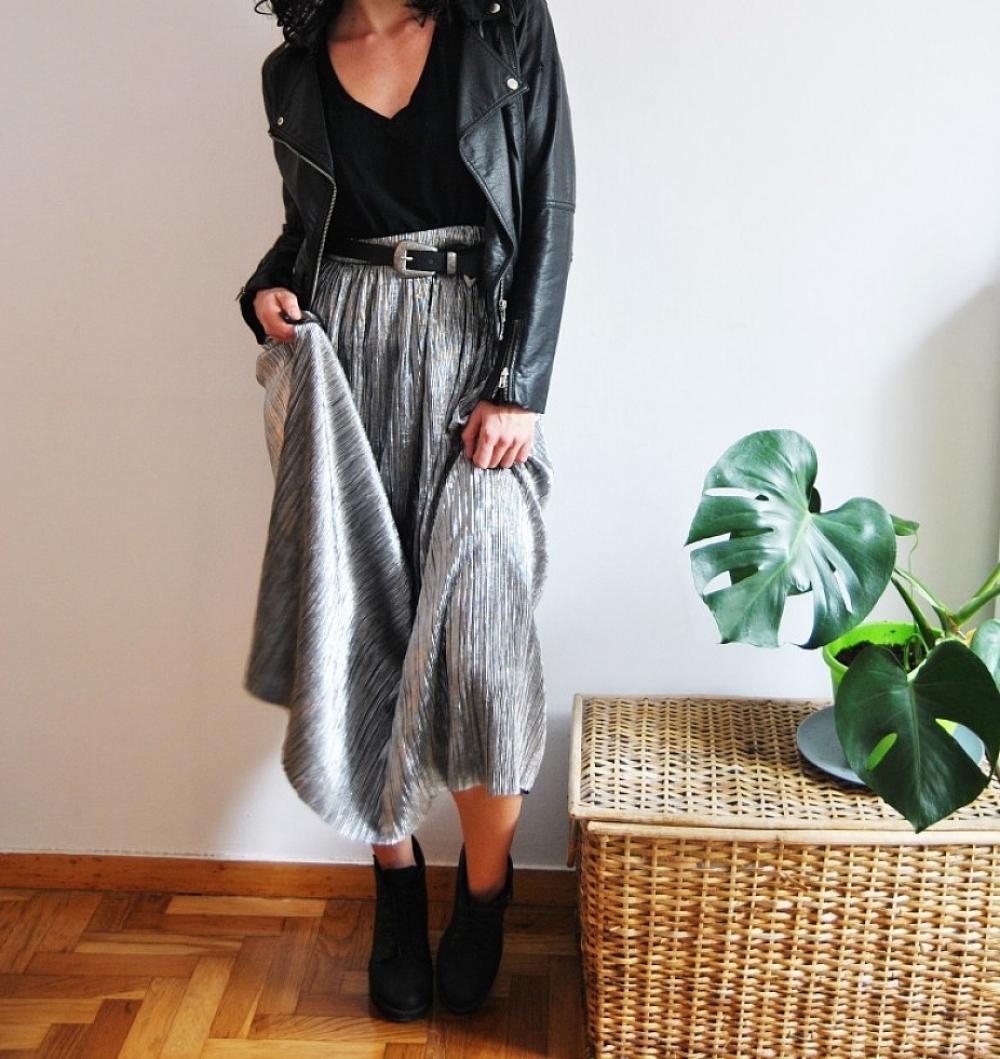
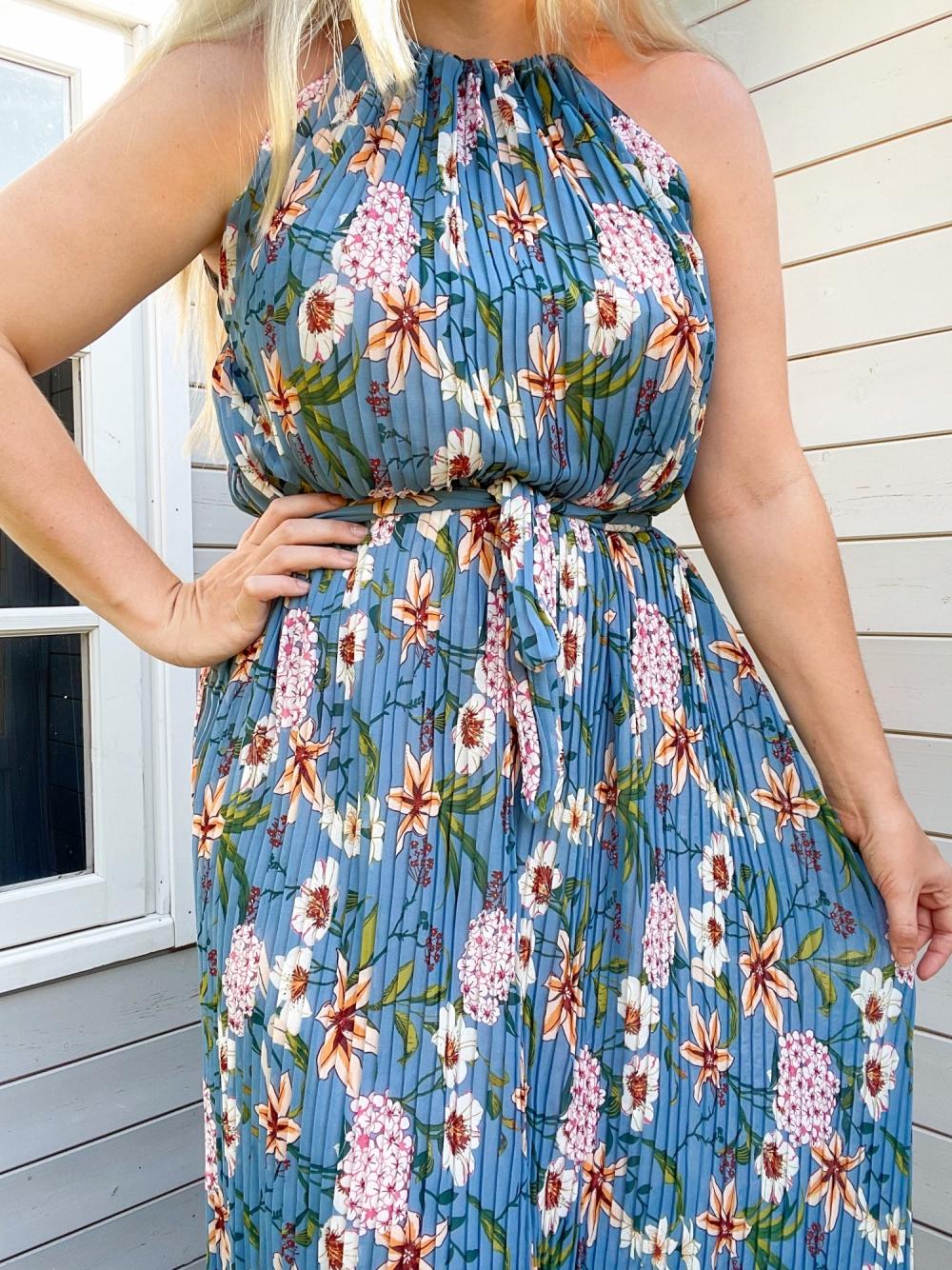
The word plisse comes from the French verb plisser, which means to crease, to fold, or to pleat. It refers to an intentionally wrinkled or pleated fabric.
Plisse is usually created by applying sodium hydroxide (caustic soda) to the fabric. This solution causes the fabric to shrink and pucker, and can be used create different textures such as creases, pleats, or dots.
This technique is usually applied to lightweight fabrics such as cotton, nylon, rayon, viscose, or silk. Heavier fabrics can also be given a plisse finish, but this is less common and different techniques must be used.
Clothing items made of plisse fabric are known to have existed as far back as Ancient Egypt, and were popularised again in the early 20th century by Mariano Fortuny in his signature Delphos Gown.
The Delphos is a column of finely pleated fabric that draws its shape from the Greek chiton, particularly in the classical work "The Charioteer of Delphi." Fortuny and his wife Henriette developed a process of pleating the fabric that produces narrow irregular folds and creases which, imitating Greek statues, conform perfectly to the body and show its natural shape.
Plisse is a relatively easy fabric to care for, as it doesn't require ironing. However, care should be taken to follow care instructions to preserve the pleats.
Find our range of plisse fabrics here:
https://www.minerva.com/mp?type=Fabrics&substrate=Plisse
#plisse #plissefabric #fabricsexplained #knowyourfabrics #themoreyouknowthebetteryousew #pleat #pleated #pleats #pleatedfabric #whatisplisse #crinkletexture #fortuny #crinkle #textured #texturedfabric #sewbakemake #olgatailor #thewardrobeproject #whatkimberleymakes #byevchan #fabricfocus #fabricroundup #fabricglossary
Featured images:
@Sew Bake Make, @OlgaTailor, @The Wardrobe Project, @What Kimberley Makes, @byEvchen
The word plisse comes from the French verb plisser, which means to crease, to fold, or to pleat. It refers to an intentionally wrinkled or pleated fabric.
Plisse is usually created by applying sodium hydroxide (caustic soda) to the fabric. This solution causes the fabric to shrink and pucker, and can be used create different textures such as creases, pleats, or dots.
This technique is usually applied to lightweight fabrics such as cotton, nylon, rayon, viscose, or silk. Heavier fabrics can also be given a plisse finish, but this is less common and different techniques must be used.
Clothing items made of plisse fabric are known to have existed as far back as Ancient Egypt, and were popularised again in the early 20th century by Mariano Fortuny in his signature Delphos Gown.
The Delphos is a column of finely pleated fabric that draws its shape from the Greek chiton, particularly in the classical work "The Charioteer of Delphi." Fortuny and his wife Henriette developed a process of pleating the fabric that produces narrow irregular folds and creases which, imitating Greek statues, conform perfectly to the body and show its natural shape.
Plisse is a relatively easy fabric to care for, as it doesn't require ironing. However, care should be taken to follow care instructions to preserve the pleats.
Find our range of plisse fabrics here:
https://www.minerva.com/mp?type=Fabrics&substrate=Plisse
#plisse #plissefabric #fabricsexplained #knowyourfabrics #themoreyouknowthebetteryousew #pleat #pleated #pleats #pleatedfabric #whatisplisse #crinkletexture #fortuny #crinkle #textured #texturedfabric #sewbakemake #olgatailor #thewardrobeproject #whatkimberleymakes #byevchan #fabricfocus #fabricroundup #fabricglossary
Featured images:
@Sew Bake Make, @OlgaTailor, @The Wardrobe Project, @What Kimberley Makes, @byEvchen
Add all tagged items to your basket