



3 years ago
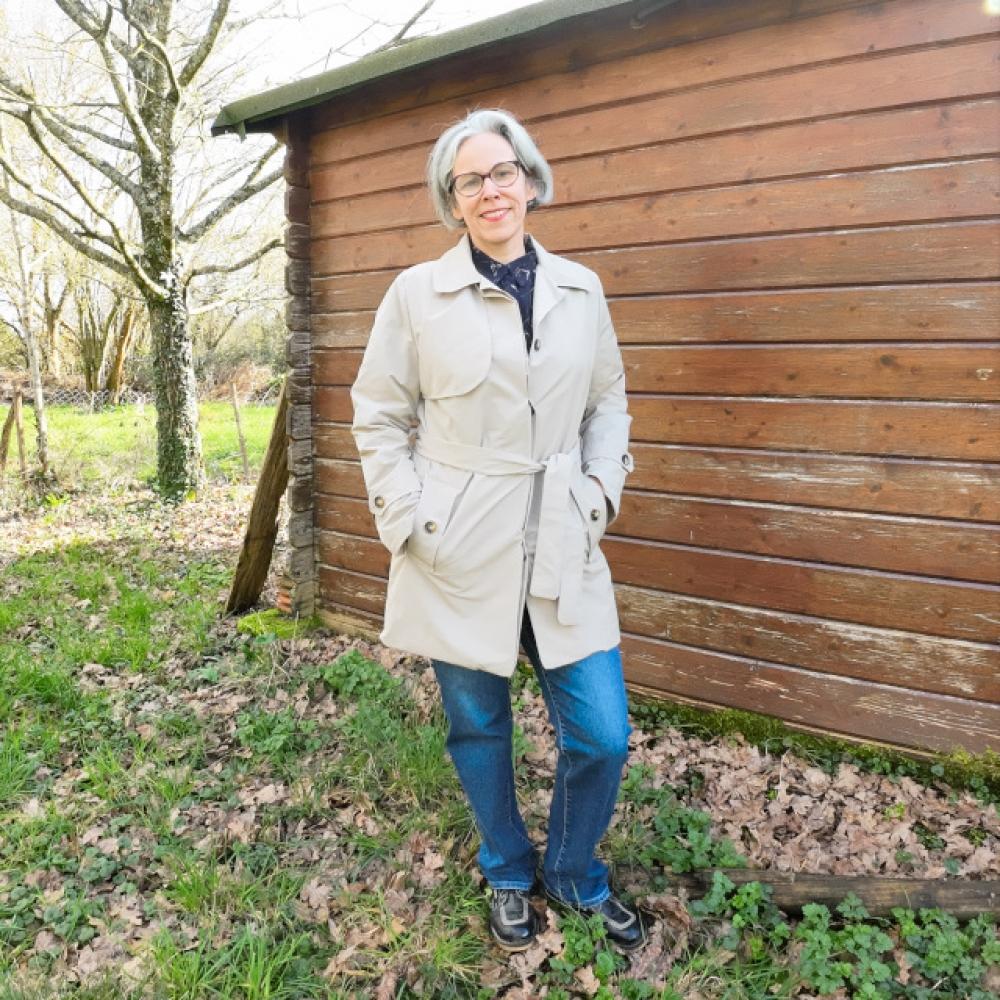
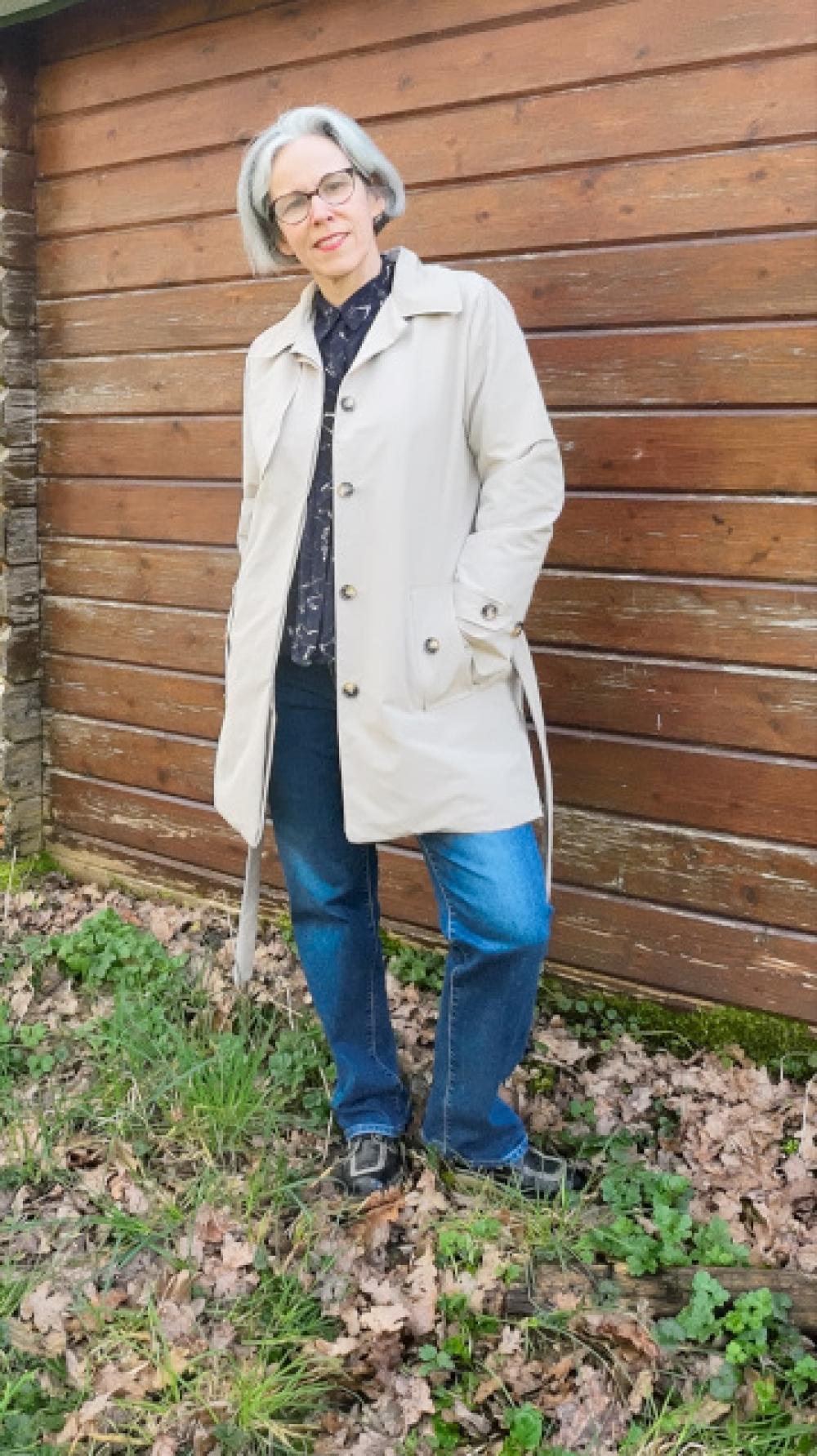
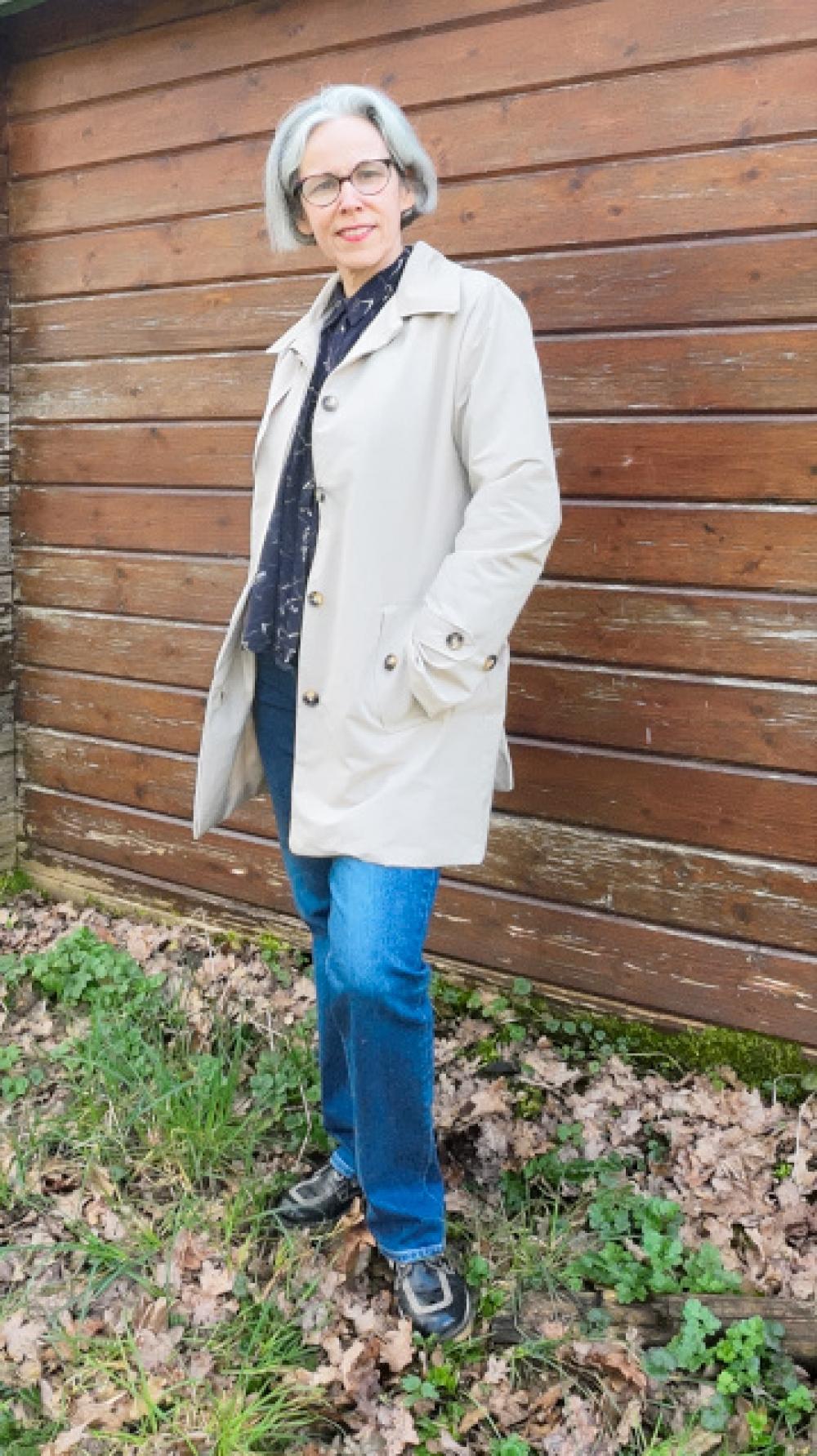
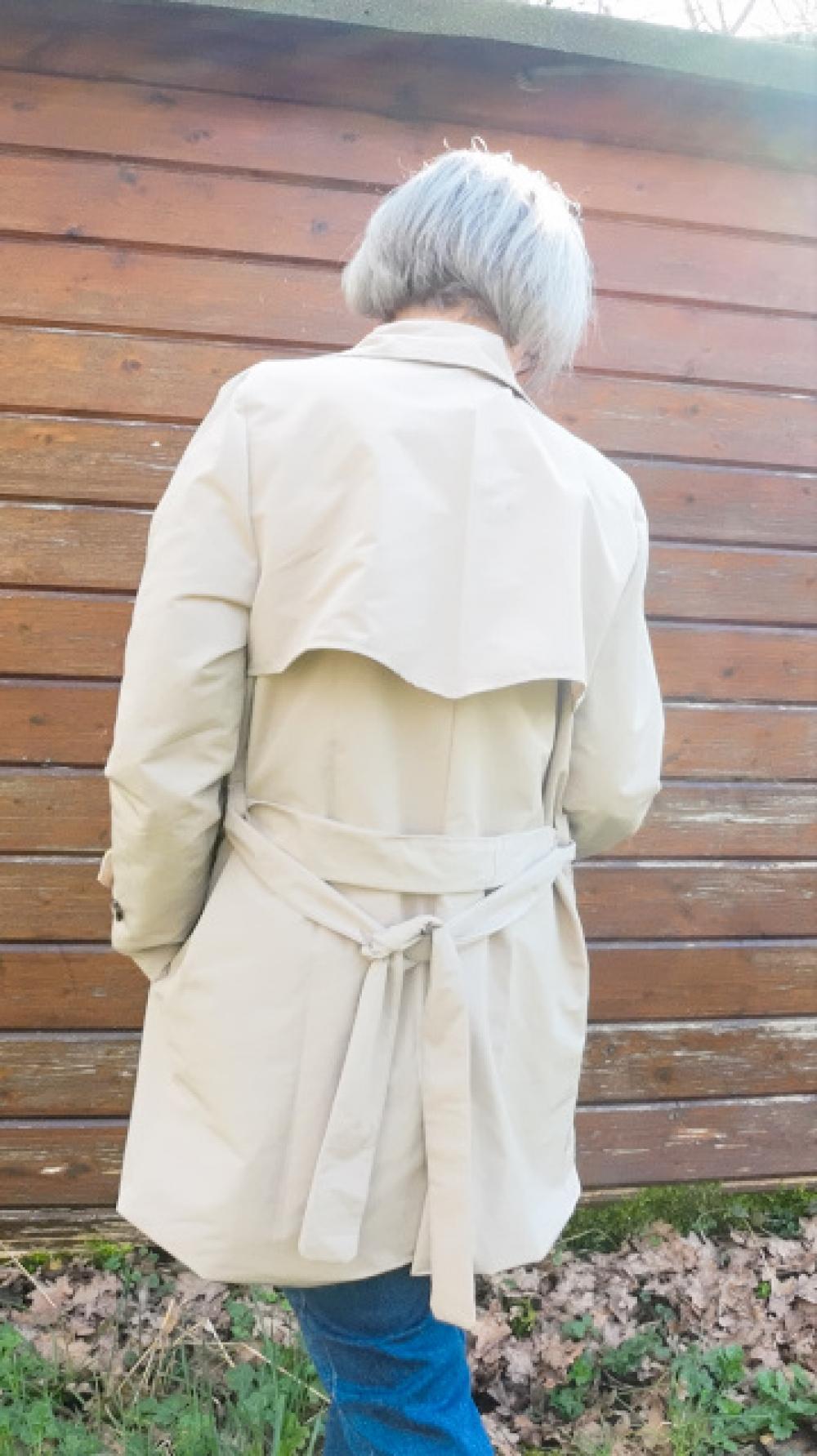
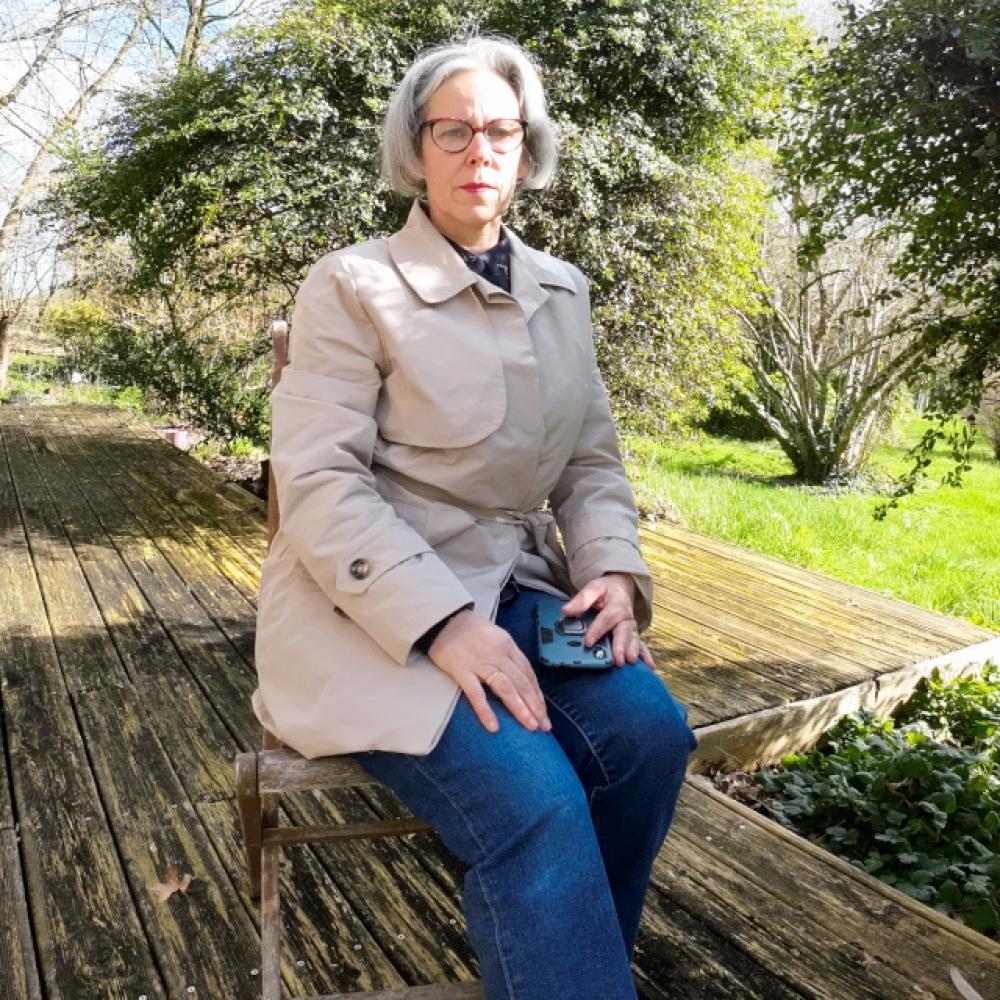
Preparing for spring is always nice. We have fairly-mild temperatures where I live, but it can be misty. So what’s better than sewing a lightweight trench-coat from a pattern designer I have never tested?
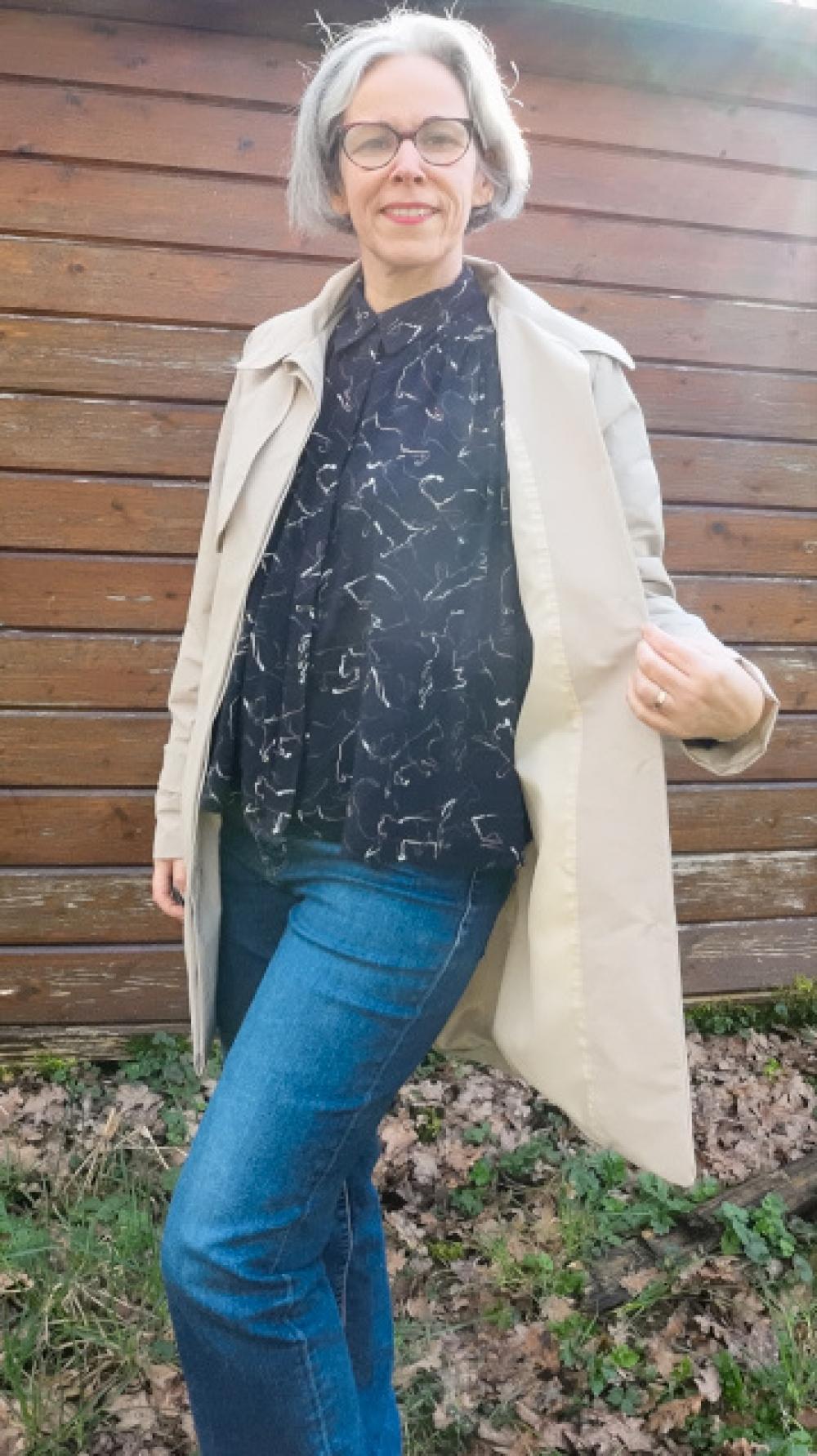
I chose to sew I AM BOB, by I AM patterns. BOB is a fully-lined trench coat with many of the traditional trench coat features. It has a back storm flap and a a front one, as well (on the right side when worn). There are sleeve tabs with two buttons to cinch the wrists. The single-welt pockets have decorative buttons. You can choose from two styles of collar: a shirt one or a stand-up collar. There is a back vent for ease of movement. Four lengths are available: short, mid-thigh, classic, and long. You can add a belt to shape the trench coat since it is a straight cut. Neither darts nor princess seams for a more streamlined cut. What makes this trench-coat stands out from the other trench-coats patters is its hidden button-placket. I like that design detail a lot. A topstitching template is even provided to keep the button placket nicely sewn together. Clever!
Trench-coat fabrics range from twill to gabardine, any medium-weight fabric for coat would work, but keep in mind there will be many layers to sew through when dealing with the storm flaps.
My heart went to some lightweight sand polycotton raincoat fabric. I wanted something neutral to depart from my usual bright outer-wears!
I didn’t pre-wash this fabric obviously. I had to check which was the right side. I simply put some water and check how long it took to go through, depending on which side of the fabric I put it. This fabric has 54% polyester in it so that means that it had to be handled with care when it comes to pressing. It presses well, to be honest, as long as you set your iron between 1 and 2. This has a consequence on your choice of interfacing as well. First, you have a lightweight fabric so G700 would make it too stiff and, second, it doesn’t like too much heat. As a consequence, I chose Vilene G785. It will prevent any distortion over time without adding stiffness. You won’t need a lot: around the welt pockets, the welts themselves, collar, and I added some on the button plackets, even if it wasn’t instructed to.
On a hunch, I tested my needle size (I never do this). I started with a universal size 90 needle on a scrap of fabric and…It left huge holes! I turned to Microtex size 90 needles and it was much better. This fabric is a “once-sewn, no-unpicking” type or you will be left with needle holes.
Time to sew the BOB trench. I chose a size 40 and did a muslin. It’s a rather wide cut so you may want to size down or check the finished measurements to choose wisely. I don’t like loose-fitting outer-wears so a size 40 would give me plenty of room without the outfit being too wide on me.
I noticed a fair bit of inconsistencies throughout the pattern and the instructions, unfortunately. Too many lines on the pattern pieces made them difficult to read and I ended with pattern pieces not lining up. I managed to alter the fabric pieces while sewing, but I was a bit disappointed.
The end result is cute though and I will go back and alter the hem that gave me troubles. That fabric was nice to work with and would be great for any lightweight garments worn when hiking, when that’s drizzling.
And I’m still looking for the trench-coat pattern of my life!
#sewingouterwears #minervabrandambassador #minervamakes #raincoat #iambob #iampatterns #minervamakers #sewnshownseated
Add all tagged items to your basket