



6 years ago
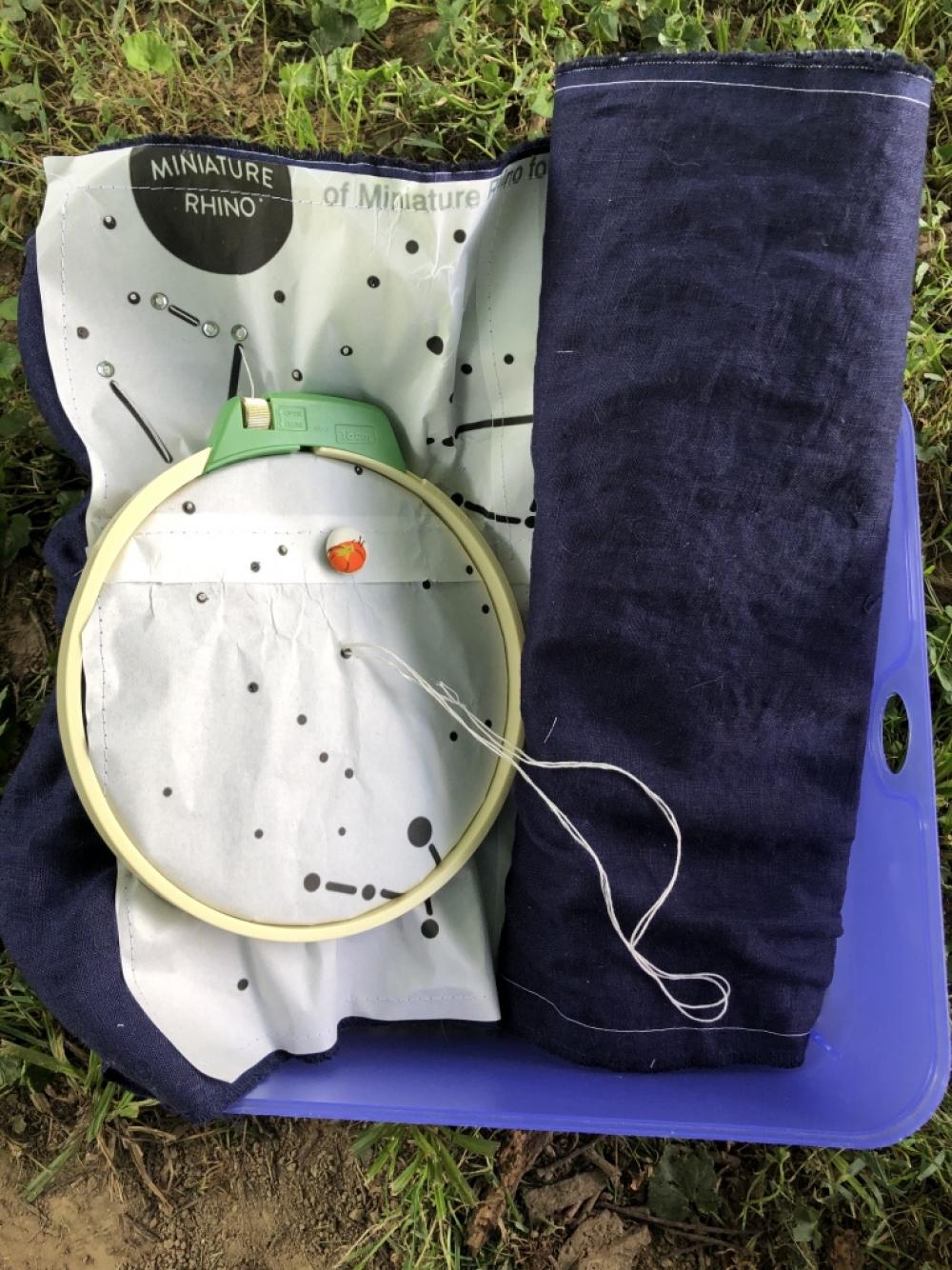
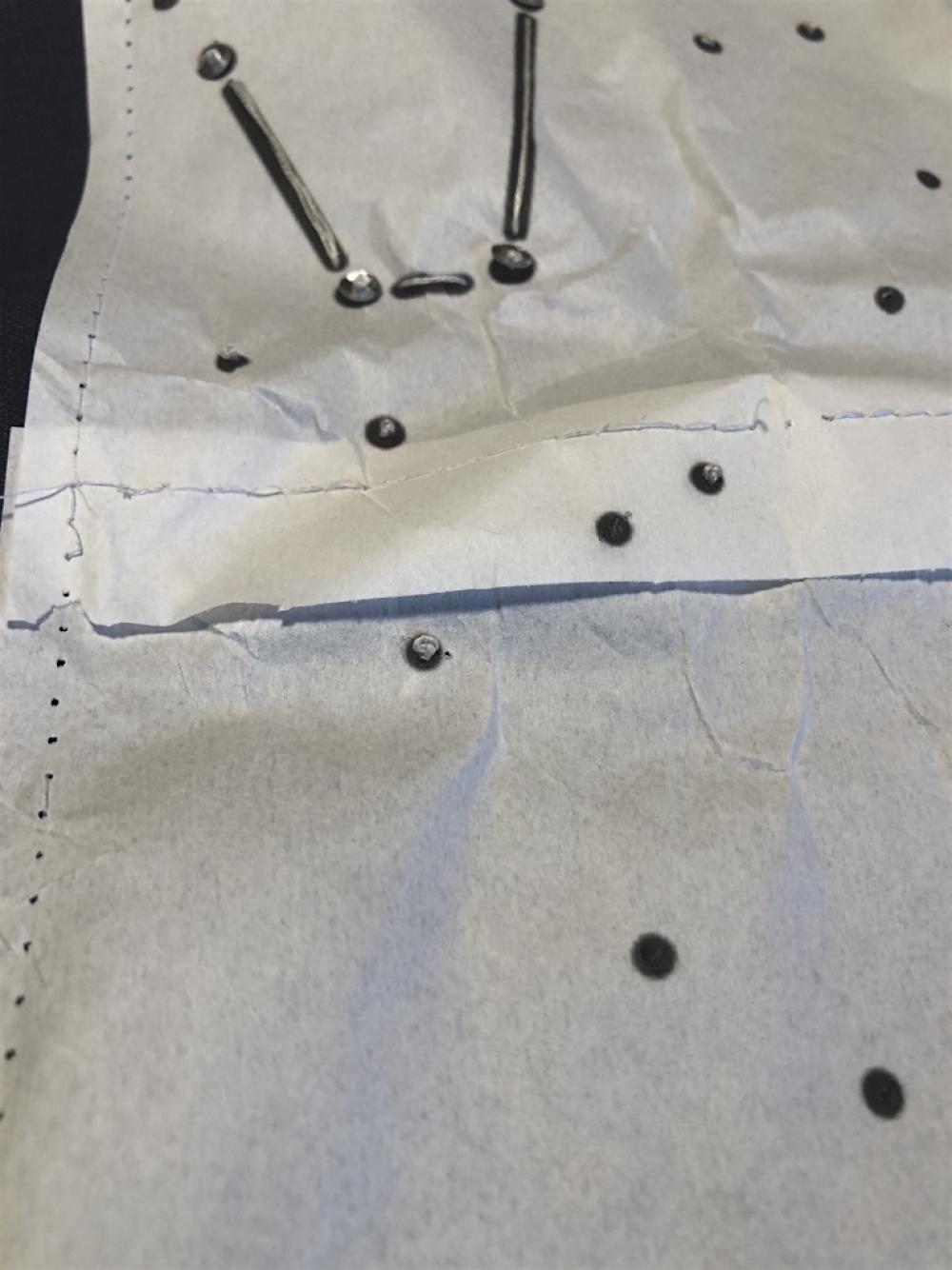
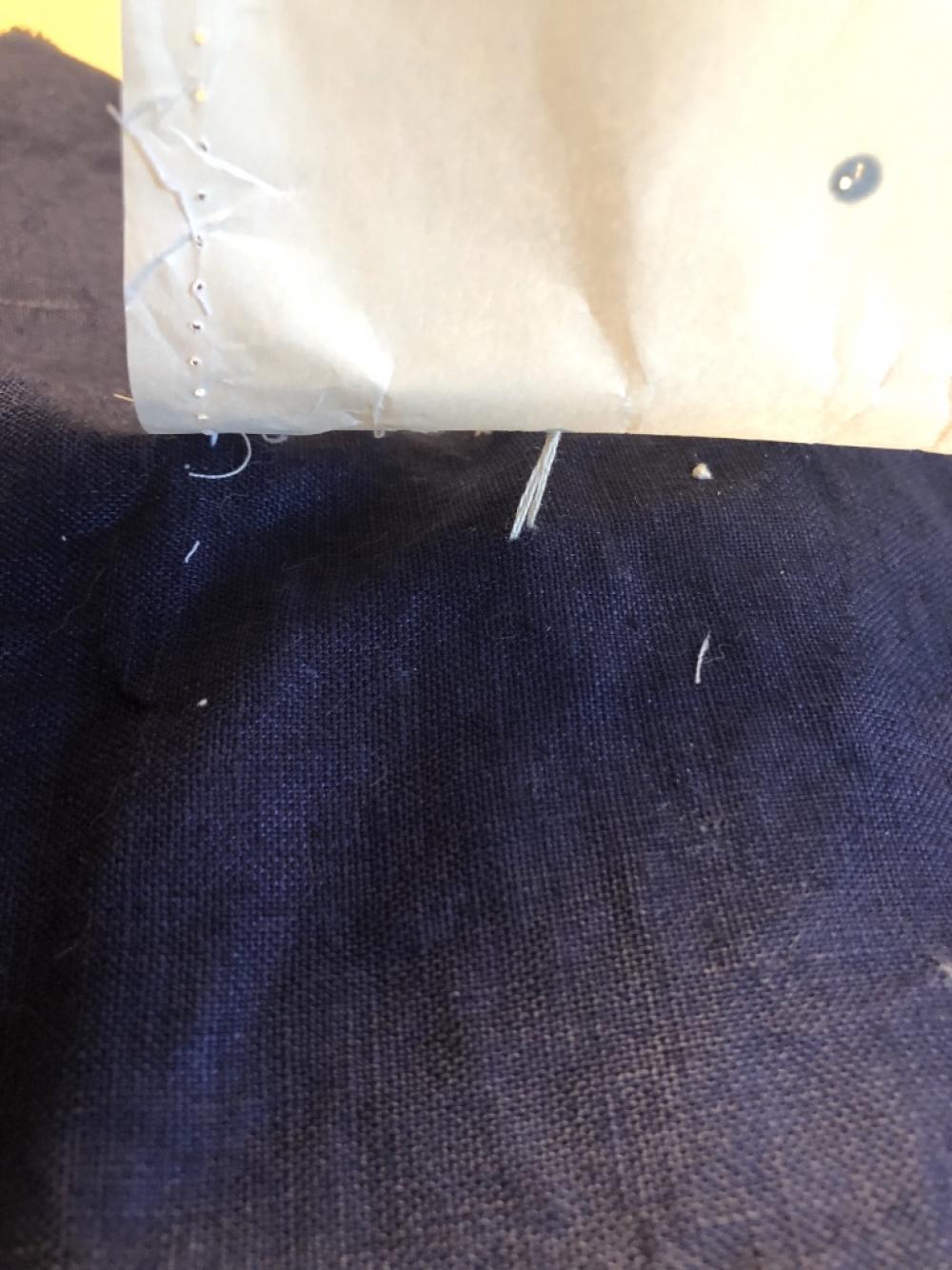
The solvy paper does not have an adhesive backing so there is a gap behind the back of the paper and the fabric. I checked the back side of the paper as I stitched and found the knots were not flush against the fabric (there was a gap that would make the knots hang off the fabric instead of being flush to the fabric).
I decided to snip off all of the stitches that I had made, seam ripped the basted pattern off of the fabric, and tried a different marking method.
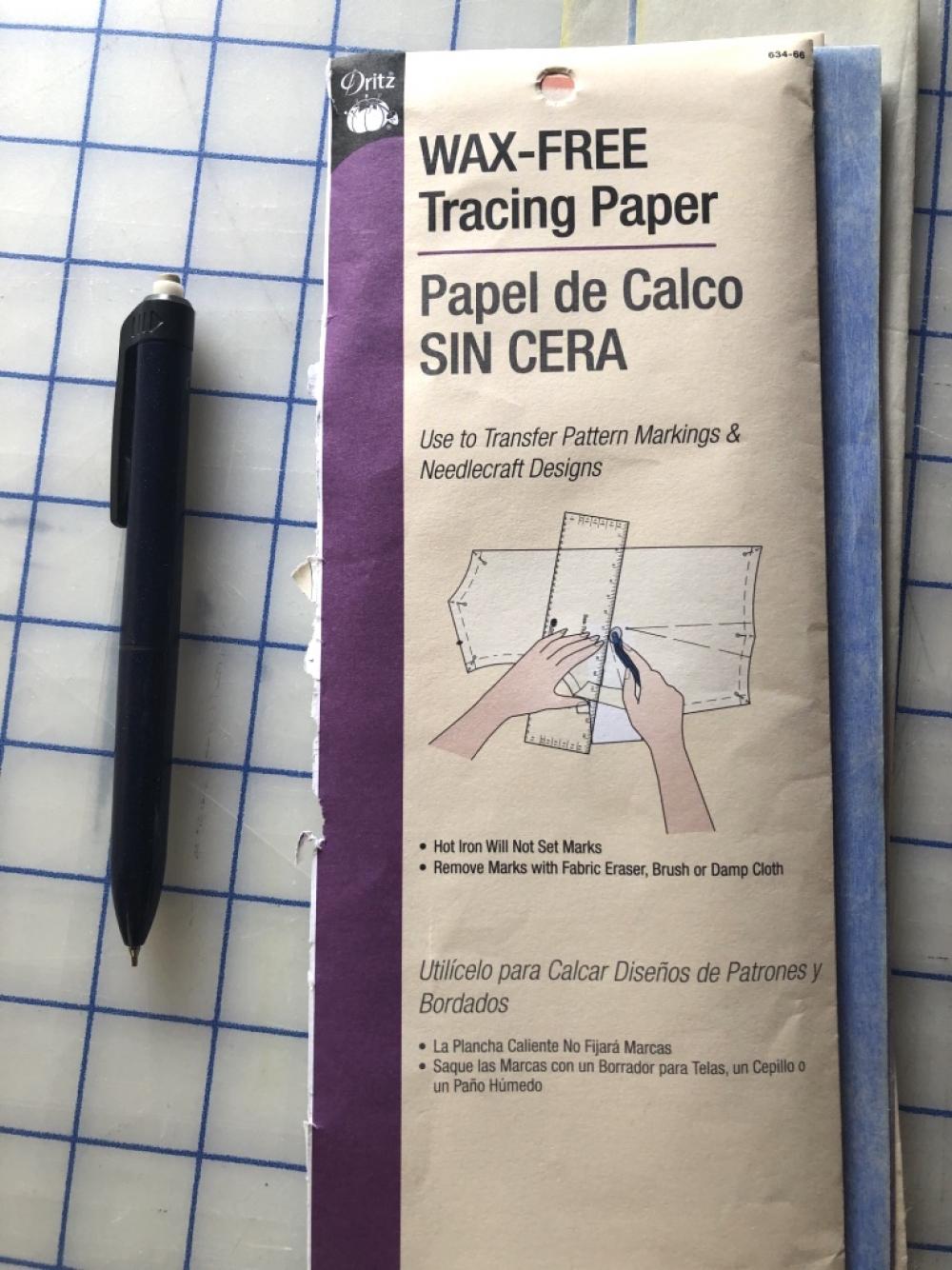
I then tried marking the paper with Dritz wax paper and a mechanical pencil. I wasn’t happy with the image that I saw with this method (it was very hard to see the pattern transferring onto the fabric).
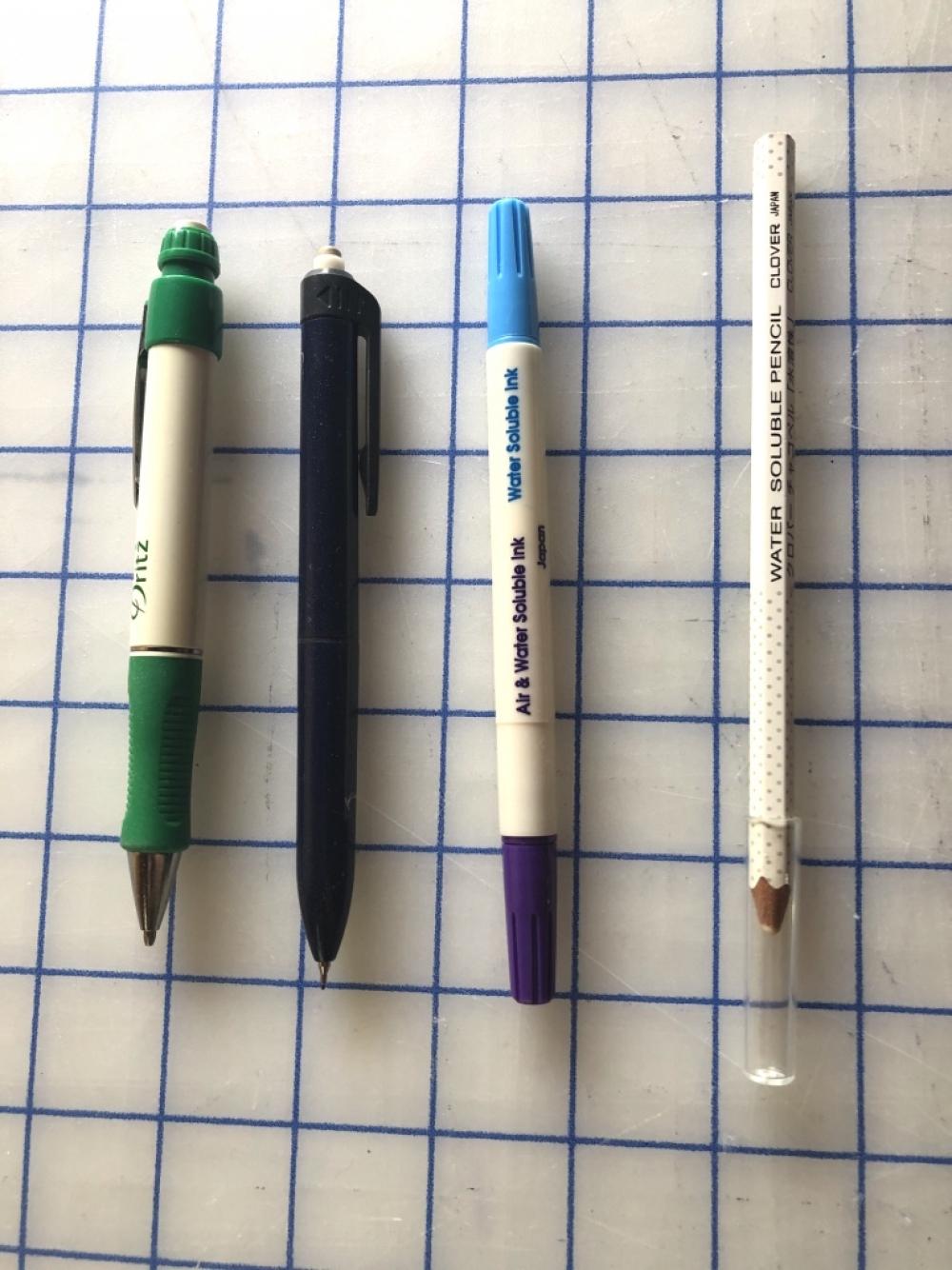
I then tried poking holes with an awl through the constellation dots on the pattern and then used various marking utensils to mark the design onto the fabric. I wasn’t happy with the visibility of these marking methods as well (water soluble ink, water dissolvable pencil, Dritz mechanical chalk pencil).
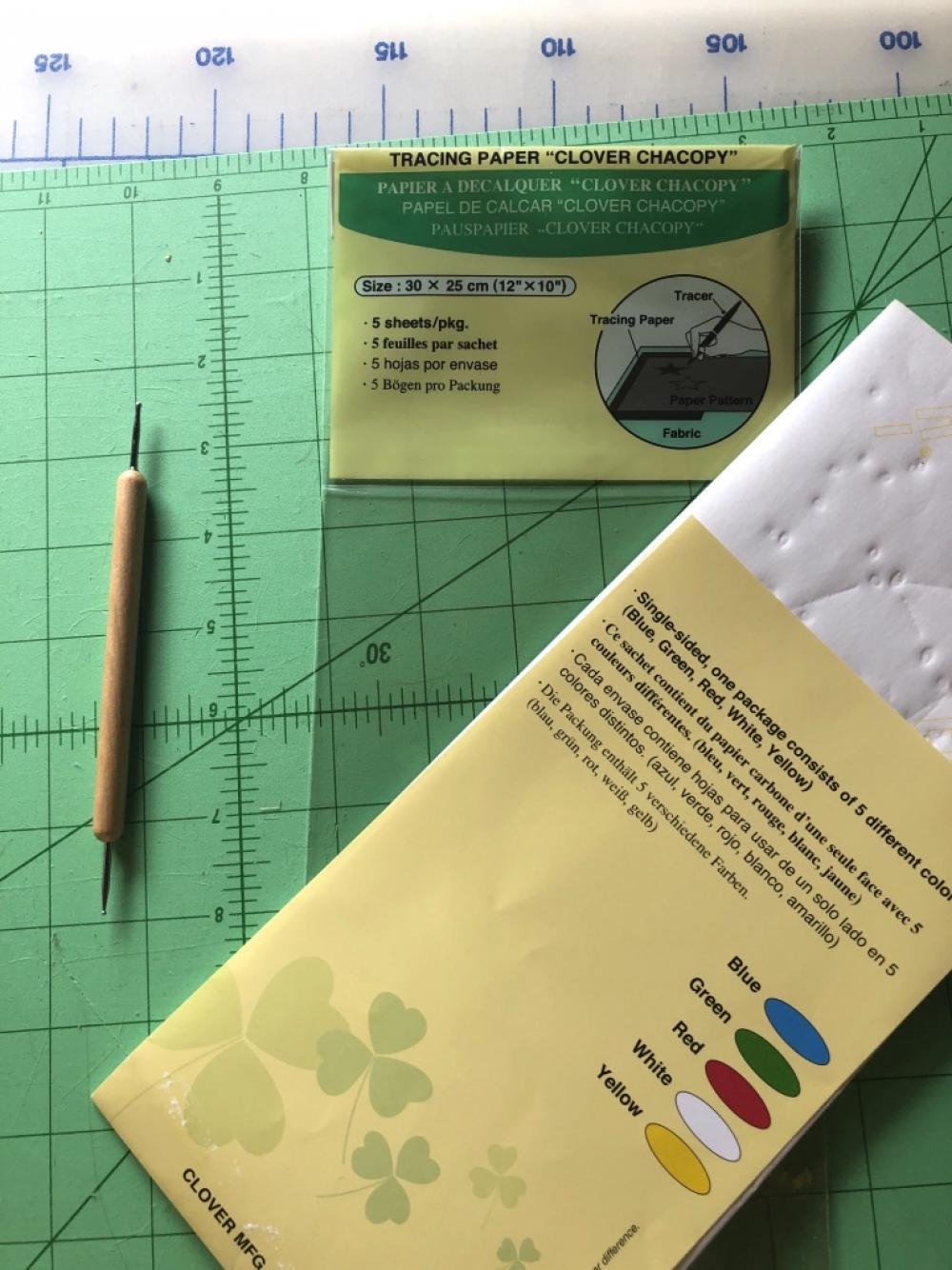
The last method I tried (that I was happiest with) was Clover Chacopy paper, a cutting mat, and a stylus. You can see on the white transfer paper in the photo below the indentations of the pattern.
The cutting mat was helpful to protect the table. I marked the dashes and dots along the length of the pattern before starting the embroidery.
Continued in my next post...
#minervamakes #minervamakers #isew #memade #memades #sewing #sewist #sewists #sewinginspo #sewinginspiration #sew #sewcialist #sewingproject #sewingprojects #sewingideas #sewingprojectideas #sewingpatterninspo #lovesewing #ilovesewing #sewsewsew #sewersgonnasew #makersgonnamake #sewaholic #sewaholics #shareyoursewing #sewinglove #tablerunner #embroidery #sewingforhome #homeware #sewinghomewares
I decided to snip off all of the stitches that I had made, seam ripped the basted pattern off of the fabric, and tried a different marking method.
I then tried marking the paper with Dritz wax paper and a mechanical pencil. I wasn’t happy with the image that I saw with this method (it was very hard to see the pattern transferring onto the fabric).
I then tried poking holes with an awl through the constellation dots on the pattern and then used various marking utensils to mark the design onto the fabric. I wasn’t happy with the visibility of these marking methods as well (water soluble ink, water dissolvable pencil, Dritz mechanical chalk pencil).
The last method I tried (that I was happiest with) was Clover Chacopy paper, a cutting mat, and a stylus. You can see on the white transfer paper in the photo below the indentations of the pattern.
The cutting mat was helpful to protect the table. I marked the dashes and dots along the length of the pattern before starting the embroidery.
Continued in my next post...
#minervamakes #minervamakers #isew #memade #memades #sewing #sewist #sewists #sewinginspo #sewinginspiration #sew #sewcialist #sewingproject #sewingprojects #sewingideas #sewingprojectideas #sewingpatterninspo #lovesewing #ilovesewing #sewsewsew #sewersgonnasew #makersgonnamake #sewaholic #sewaholics #shareyoursewing #sewinglove #tablerunner #embroidery #sewingforhome #homeware #sewinghomewares
Add all tagged items to your basket